Temperature 7 min
The Best Temperature for Sleep—and Why It Matters
Is 65°F really the best temperature for sleep? Learn what research says about bedroom temperature, body temperature and finding your personal sleep temperature.
Read GuidePractical, science-informed guidance to help you understand what's affecting your sleep and what you can do about it.
How body and bedroom temperature affect sleep.
Mattresses, pillows, sleep position and physical comfort.
Air quality, humidity, allergens and breathing environment.
Circadian rhythm, morning light and nighttime darkness.
Noise, white noise and creating a quieter sleep environment.
Stress, routines, nutrition, exercise and nighttime recovery.
Sleep stages, circadian rhythm, sleep duration, schedules and why sleep matters.
Clear education about common sleep concerns and when professional evaluation matters.
General education only. Symptoms that may indicate a sleep disorder should be evaluated by a qualified healthcare professional.
Is 65°F really the best temperature for sleep? Learn what research says about bedroom temperature, body temperature and finding your personal sleep temperature.
Read Guide
Waking up hot can be caused by your bedroom, bedding, hormones, medications and more. Learn what may be happening and what you can try tonight.
Read Guide
Too hot to sleep? Try these 10 practical ways to sleep cooler, from free bedroom changes to airflow, bedding and active bed-cooling systems.
Read Guide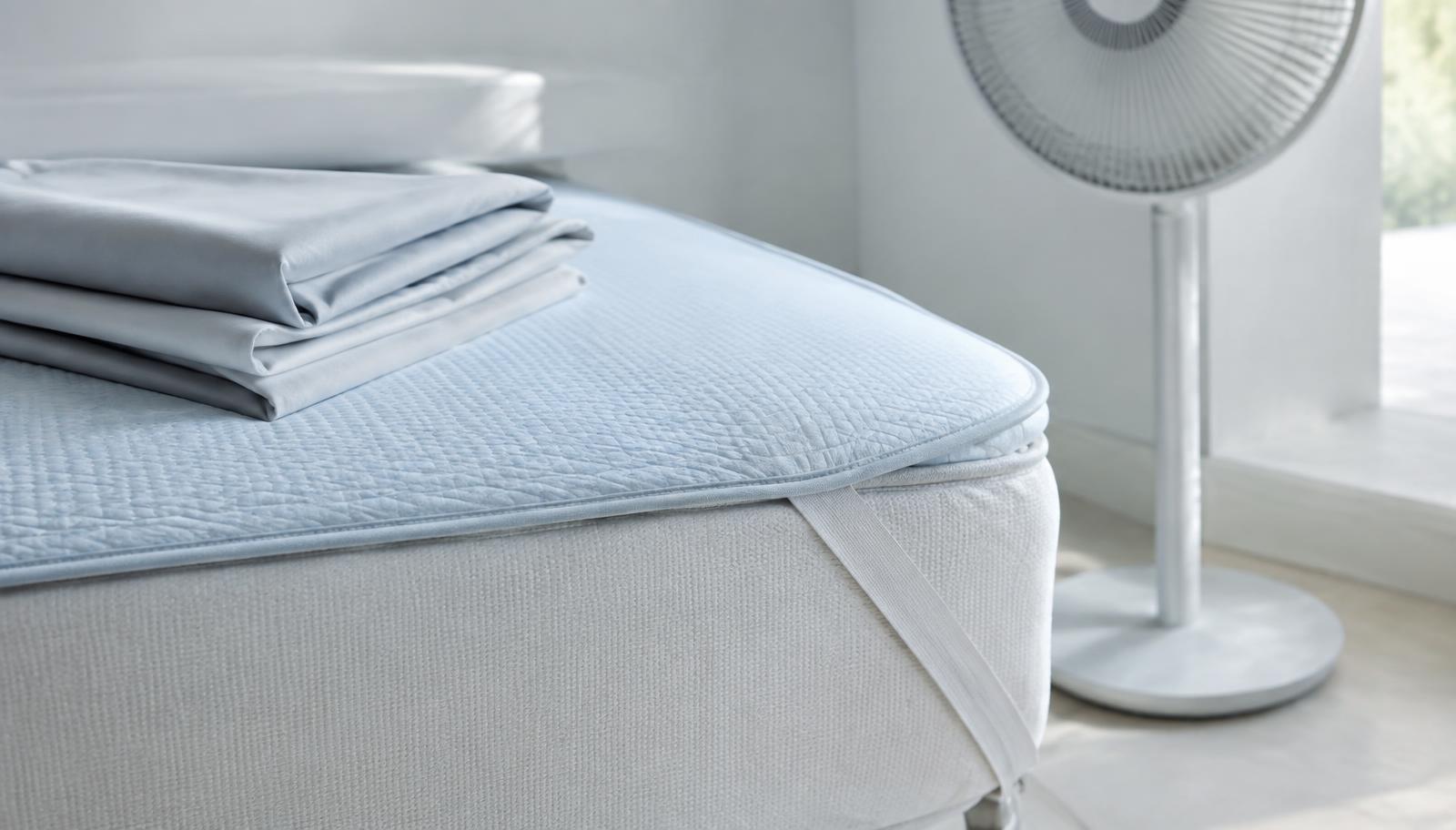
Cooling sheets, fans, bed airflow or active mattress cooling? Learn how sleep-cooling approaches differ and which may fit your problem.
Read Guide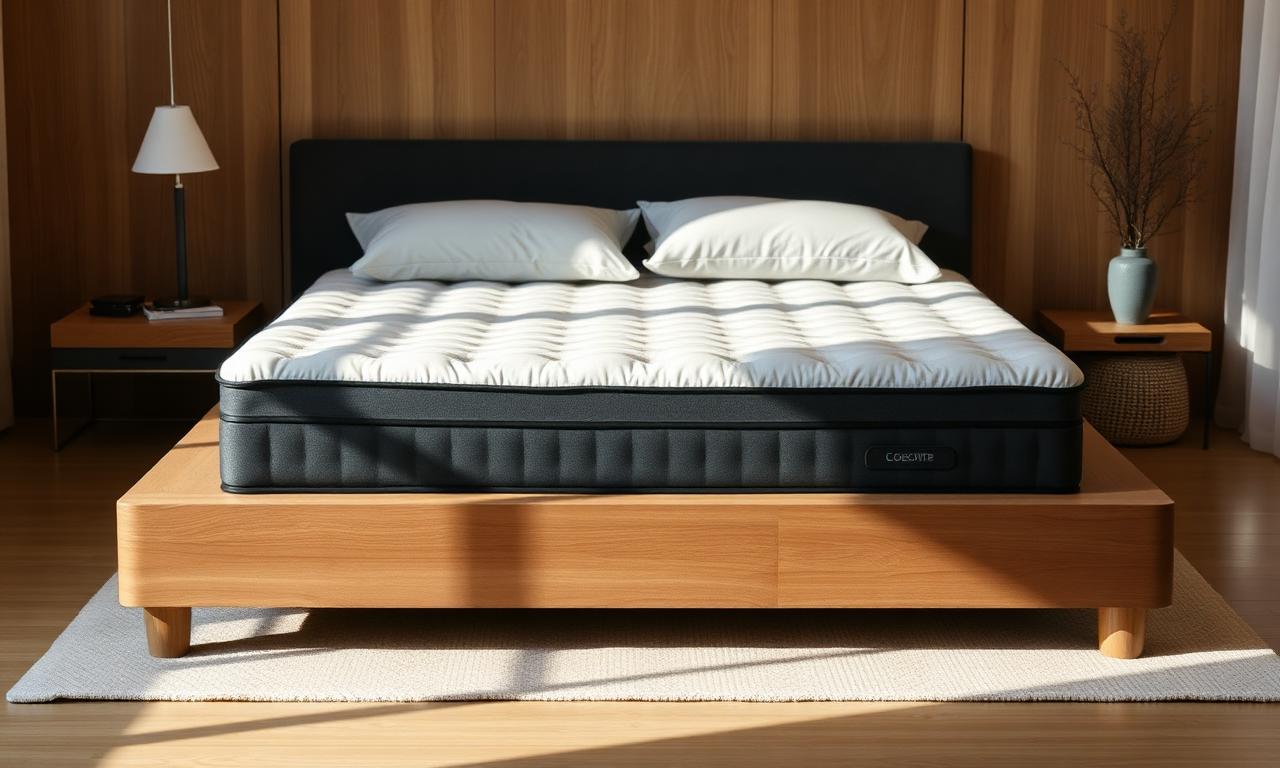
Your mattress and pillow can affect comfort, pressure, spinal support and nighttime awakenings. Learn what the research says and how to find the right sleep surface.
Read Guide
Side, back or stomach sleeper? Learn how pillow height, shape, mattress firmness and sleep position work together—and how to find a pillow that fits you.
Read Guide
Waking sore, stiff or uncomfortable? Learn seven signs your mattress may be disrupting your sleep—and what to try before replacing it.
Read Guide
Which breathing-related sleep signs are common, which deserve a conversation with a healthcare professional, and what an evaluation usually involves.
Read Guide
What CBT-I is, what it usually involves, who it may help, and why medical guidelines recommend it before sleep medication for chronic insomnia.
Read Guide
Why night waking happens, common contributors to consider, what to do when you can't get back to sleep, and when to talk with a healthcare professional.
Read Guide
A practical 7-night sleep diary: exactly what to write down each morning and evening, how to read your results, and how to use them with a clinician.
Read Guide
What's typical for falling asleep, why regularly taking a long time can matter, factors that may be involved, and when to talk with a healthcare professional.
Read Guide
What a wind-down routine is, what the evidence says about light, warm showers and screens, and how to build a simple evening routine you can actually keep.
Read Guide
How long caffeine can affect sleep, why there's no universal cutoff time, and how to find your own caffeine timing with a simple experiment.
Read Guide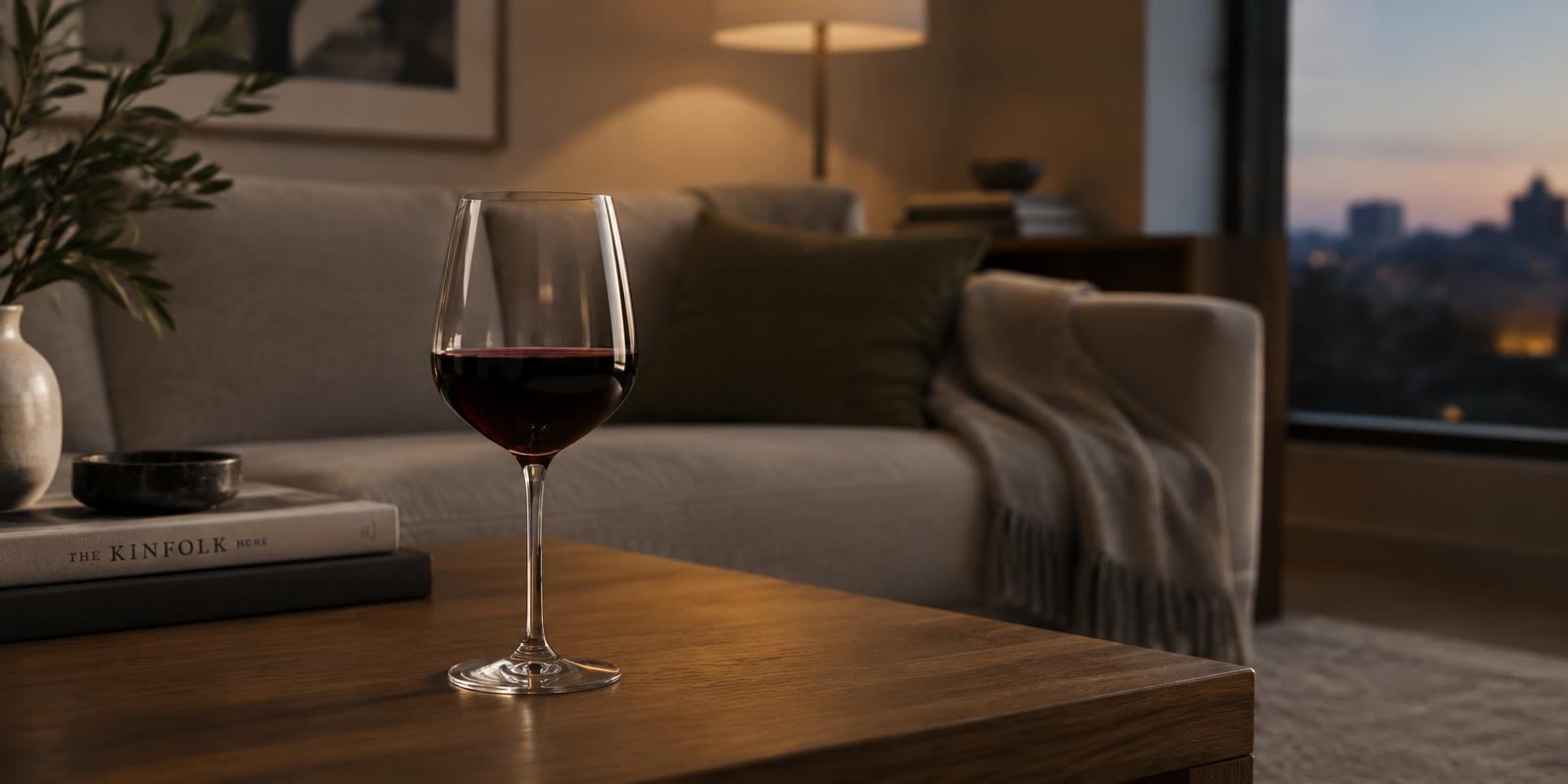
Why alcohol helps you fall asleep but disrupts sleep later, what the research shows, and practical ways to reduce its effect on your nights.
Read Guide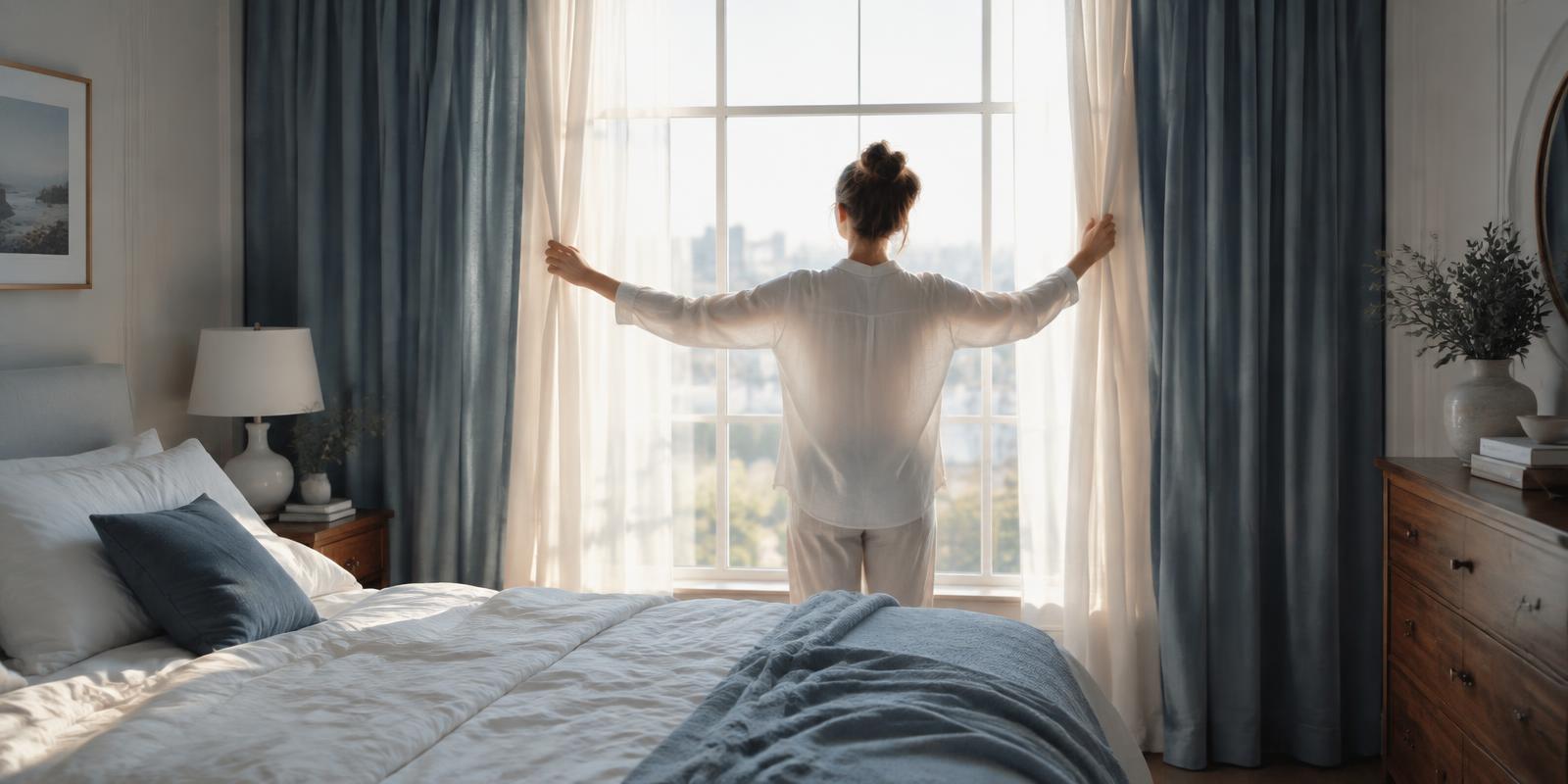
How a consistent wake time supports your body clock, what research on sleep regularity shows, and how to make a steadier schedule realistic.
Read Guide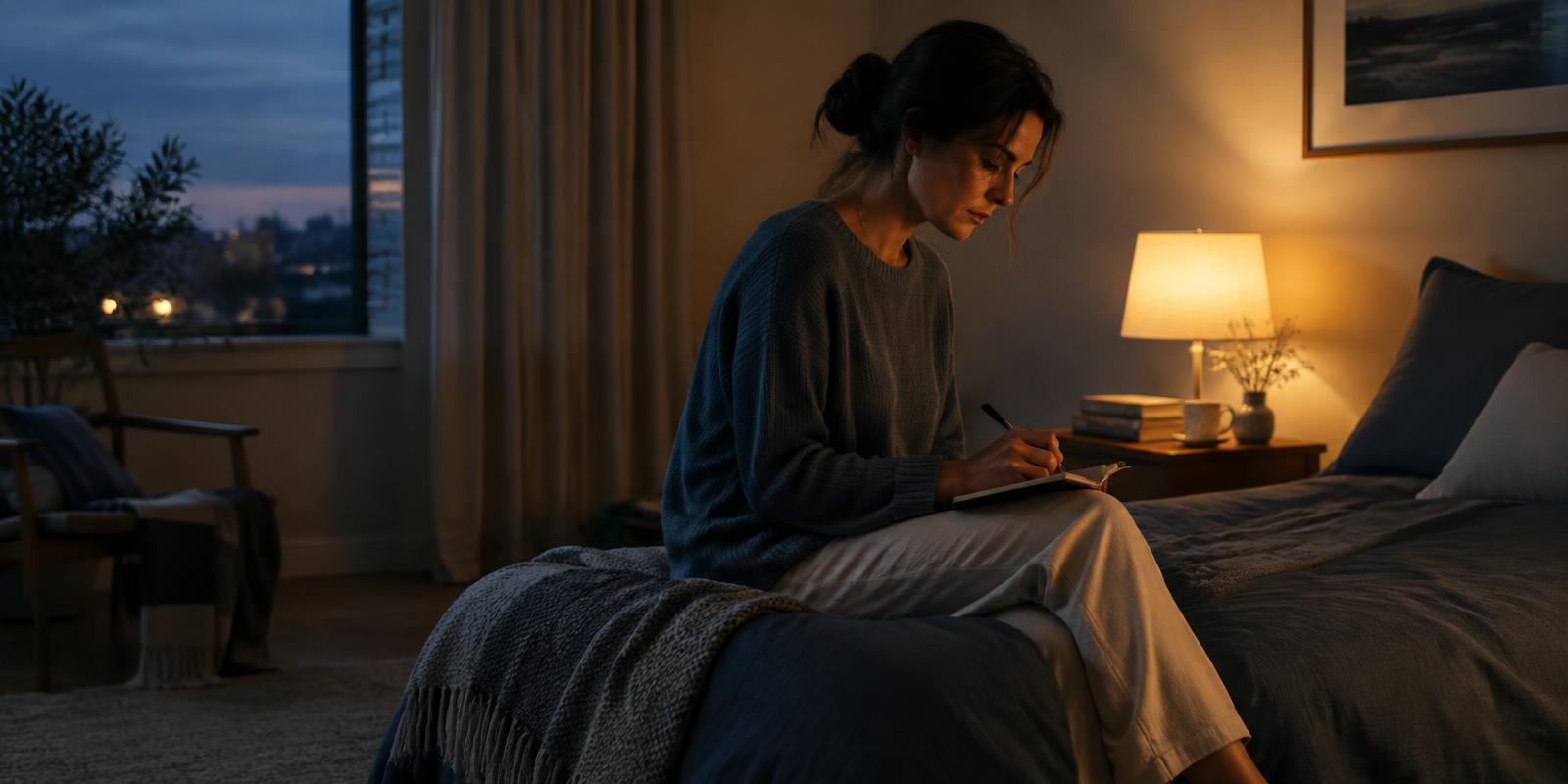
Why your mind races at bedtime, what research shows about writing, relaxation and mindfulness, and when a racing mind is a sign to seek help.
Read Guide
How light timing, brightness, duration and color influence your body clock, why evening and nighttime light can make sleep harder, and practical changes to try.
Read Guide
Why morning light helps anchor your body clock, how outdoor and indoor light compare, what changes in winter or on dark mornings, and how to experiment.
Read Guide
Why nighttime light can affect sleep, common sources of bedroom light, a practical order for reducing it, and why complete darkness isn't necessary for everyone.
Read Guide
What studies actually show about screens and sleep, why light and content are separate issues, and practical experiments to try instead of strict screen bans.
Read Guide
How environmental noise can disrupt sleep, why sudden sounds matter more than steady ones, why sensitivity varies, and how to tell whether sound is one of your Sleep Drivers.
Read Guide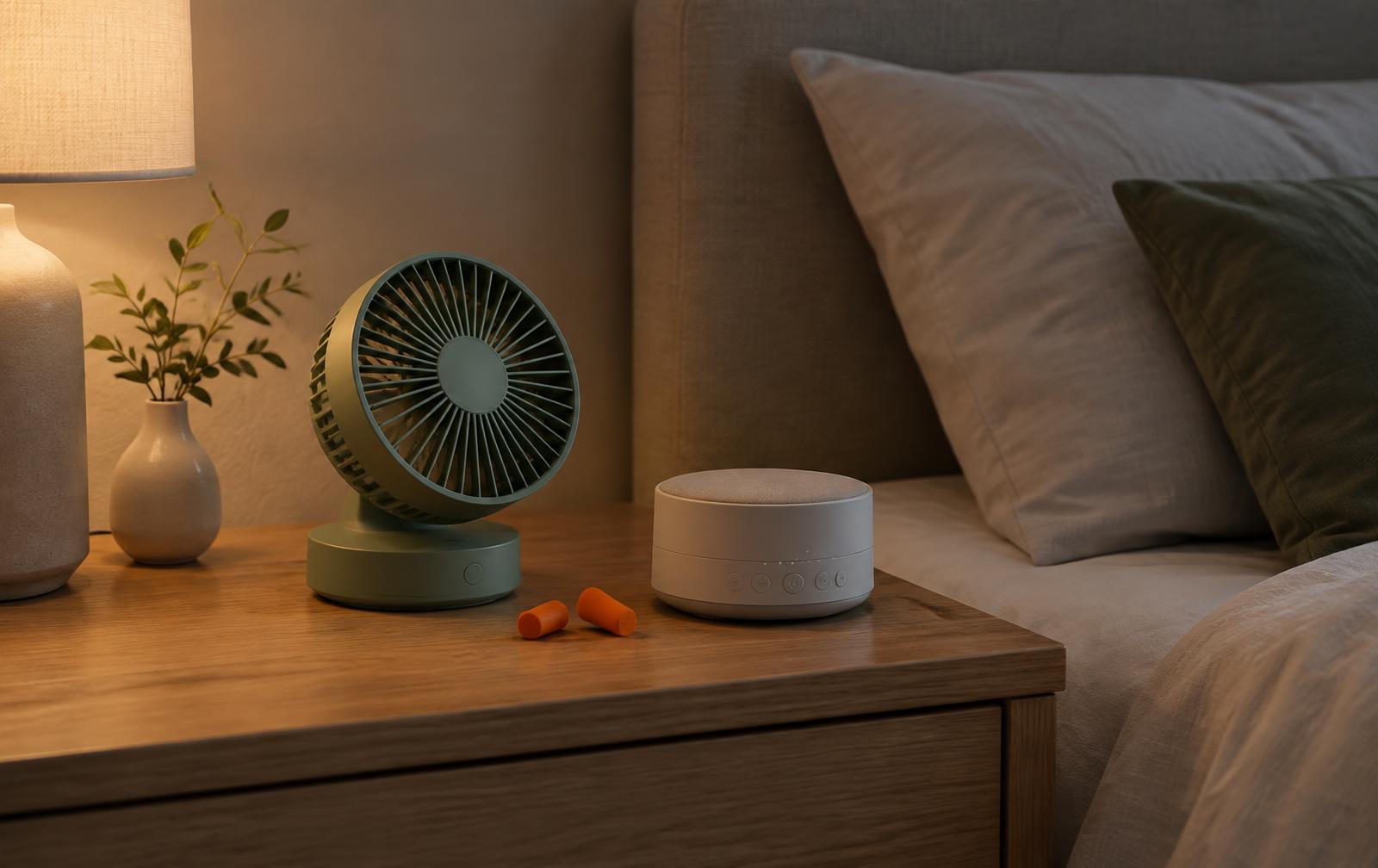
How white noise, fans and earplugs compare, what the research does and doesn't show, and how to choose and test the right option for your bedroom.
Read Guide
Practical ways to sleep better next to a snoring partner, why masking the noise isn't the whole answer, and the warning signs that mean the snorer should get checked.
Read Guide
What SleepWell360 means by Airflow, what research shows about bedroom ventilation, humidity and allergens, and practical free or low-cost changes to try first.
Read Guide
What research does and doesn't show about humidity and sleep, how general indoor-air guidance differs from sleep evidence, and how to use humidifiers and dehumidifiers safely.
Read Guide
Common bedroom allergens, why symptoms can feel worse at night, a practical order for testing bedroom changes, and when congestion needs a healthcare professional.
Read Guide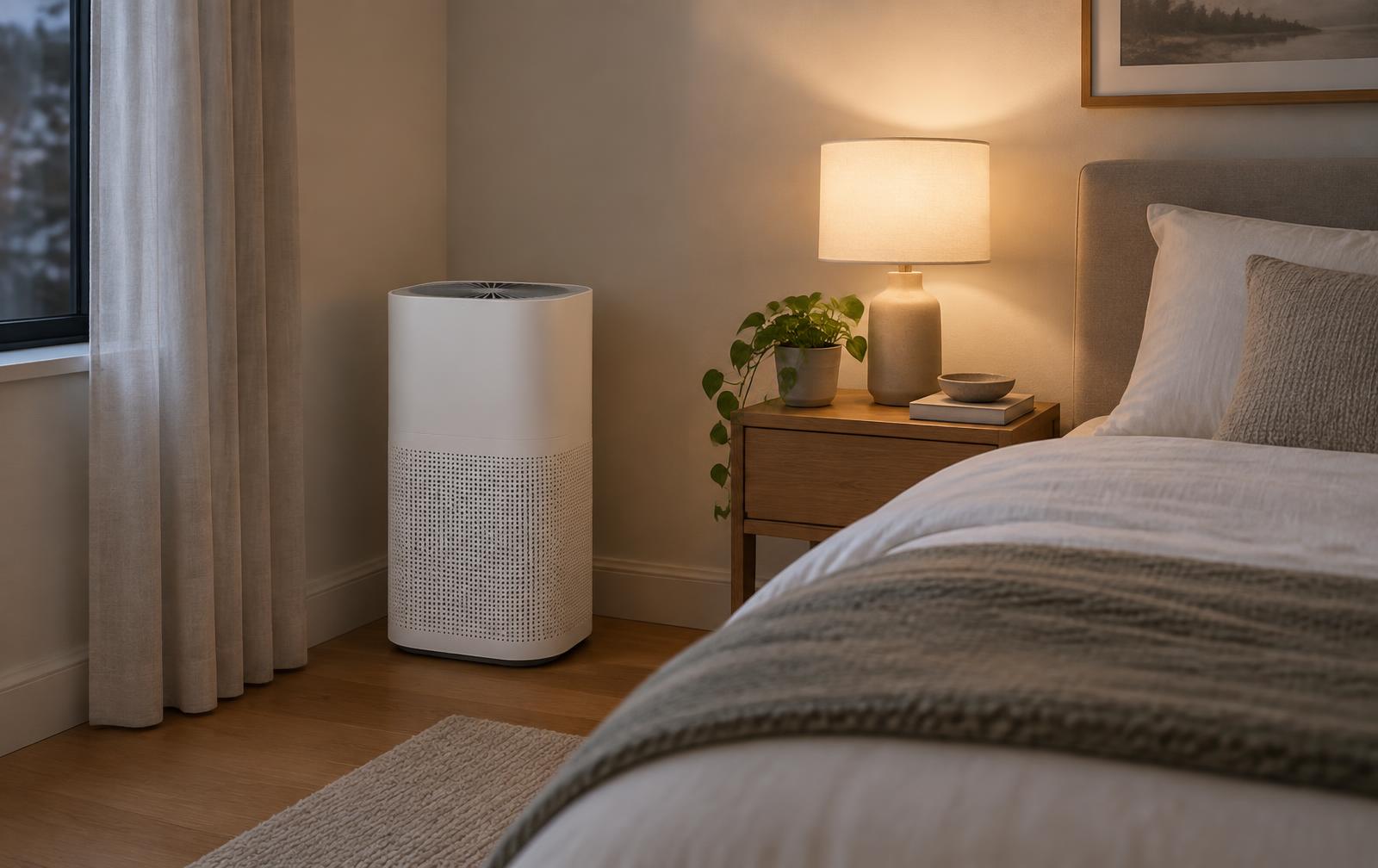
What air purifiers can and can't remove, what research shows about sleep specifically, who might reasonably try one, and practical considerations like size, placement and noise.
Read Guide