Is Your Mattress Causing You to Wake Up?
If you wake repeatedly during the night, your mattress may be part of the problem—but don't blame it automatically. The useful question isn't “How old is my mattress?” It's “What evidence do I have that my sleep surface is interfering with my sleep?”
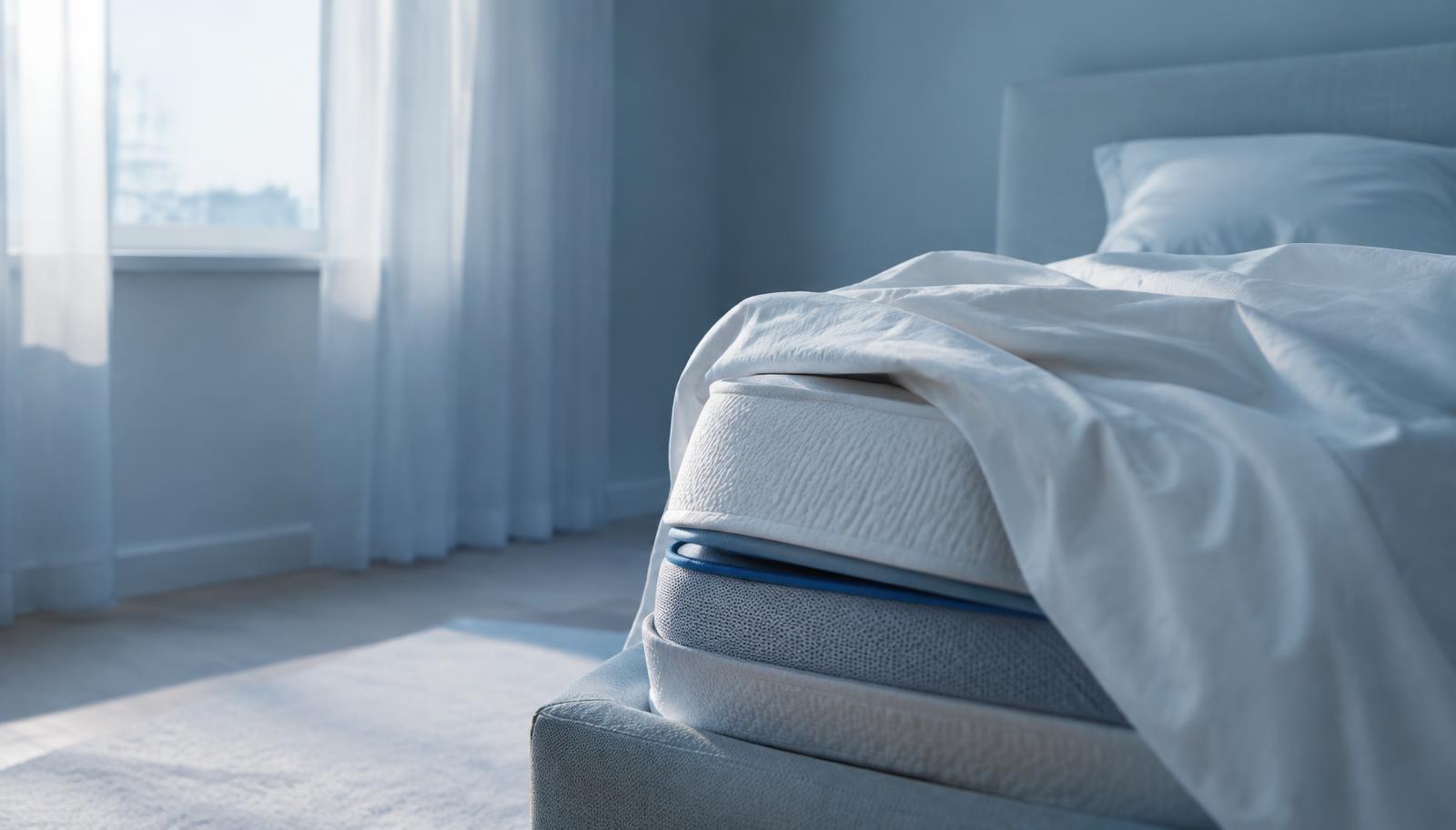
- A mattress can interfere with sleep when it creates discomfort, pressure, poor support or excessive heat—or simply makes it hard to stay comfortable in your preferred sleeping position.
- But waking at night can have many causes. So before spending thousands of dollars, look for a pattern connecting your awakenings to the surface.
- The strongest clue? You consistently feel or sleep better in another bed.
1. You wake with pain or stiffness you didn't have at bedtime
Morning discomfort is one of the more obvious clues.
Pay attention to:
Lower back.
Neck.
Shoulders.
Hips.
If discomfort appears primarily after sleeping and improves after you get moving, your sleep position, mattress or pillow may be contributing.
Harvard Health notes that sleep position and bedding can contribute to back and neck pain and that waking with pain not present the night before can be a useful clue.
That doesn't mean every morning ache is caused by your mattress.
Persistent or significant pain deserves appropriate medical evaluation.[1]
2. You keep changing positions because you're uncomfortable
Changing position during sleep is normal.
Constantly searching for a comfortable position is different.
You may notice yourself:
Rolling from side to side.
Moving toward a different part of the mattress.
Putting pillows underneath different body parts.
Sleeping diagonally.
Moving to a couch or guest bed.
These behaviors can be useful data.
Your body may be telling you that the current surface isn't comfortable.
3. Your shoulder or hip feels pressured
This is particularly relevant for side sleepers.
Side sleeping concentrates more pressure around the shoulder and hip.
If the mattress doesn't allow enough comfortable give, you may notice pressure building at those points.
But going dramatically softer isn't automatically the answer.
The surface still needs to provide comfortable overall support.
The objective is balance, not maximum softness.
4. Your mattress visibly sags
Look at the mattress without sheets on it.
Are there obvious depressions?
Does one side look different from the other?
Do you feel yourself rolling toward a particular area?
A mattress that has materially changed from its original shape may no longer support you the way it once did.
And don't forget the foundation underneath it.
An improperly supported mattress can also change how the bed feels.
5. You sleep better somewhere else
This is one of the most useful tests because it doesn't require buying anything.
Think about the last few times you slept:
At a hotel.
In a guest room.
At another home.
Did you wake feeling noticeably more comfortable?
One night isn't enough to conclude anything.
But if it happens repeatedly, pay attention.
Then ask:
What was different?
The mattress? Pillow? Temperature? Noise? Darkness? Bed size?
Don't automatically credit the mattress. Use the comparison to narrow the possibilities.
6. Your mattress and sleep position don't work well together
There isn't one universally correct mattress firmness.
A landmark randomized trial of 313 people with chronic nonspecific low-back pain found medium-firm mattresses produced better outcomes than firm mattresses for several pain and disability measures.
Systematic reviews similarly tend to favor medium-firm mattresses for comfort and spinal alignment.
But “medium-firm” isn't a prescription for every sleeper.
Your body size, sleep position, pillow, comfort preference and existing pain all influence how a surface feels.
A side sleeper may prioritize more pressure relief around the shoulder and hip.
A back sleeper may prefer a different balance.
The important point is: harder isn't automatically healthier.[2][3]
7. Your mattress is old—and showing other warning signs
Mattress age gets too much attention.
You'll often see: “Replace your mattress every X years.”
There isn't a universal scientific expiration date.
But mattresses do change with use.
One study replaced participants' existing beds—which averaged about 9.5 years old—with new medium-firm bedding systems. Participants subsequently reported improvements in sleep quality and back discomfort.
A related study found improvements in sleep comfort and quality after participants switched from their existing bedding to new medium-firm systems.
Those studies are interesting, but they don't prove that every nine-year-old mattress needs replacing.
Age becomes more meaningful when combined with sagging, loss of comfort, morning discomfort, frequent repositioning or better sleep elsewhere.[4][5]
Before buying a new mattress, run this test
Give yourself seven nights.
- 01
Nights 1–2: Observe
Don't change anything. Record how many times you remember waking, where you feel discomfort, your primary sleep position and how you feel in the morning.
- 02
Nights 3–4: Change the easy variable
Try changing your pillow or pillow height if neck or shoulder comfort is part of the problem. Or remove/change a topper if one is dramatically affecting the surface.
- 03
Nights 5–7: Compare
If practical, compare another sleep surface. The objective isn't to conduct a clinical trial. It's to stop guessing.
What should you look for in a replacement?
Ignore most of the marketing language initially. Start with:
Comfort — can you remain comfortable in your preferred sleeping positions?
Support — does the mattress support you without feeling as though part of your body is collapsing deeply into it?
Pressure relief — are your shoulder, hip and other pressure points comfortable?
Temperature — does the surface retain more heat than you prefer?
Movement — if you share a bed, does your partner's movement regularly disturb you?
Trial period — a mattress is difficult to evaluate in a showroom. A meaningful home trial can be valuable because you're evaluating it in the environment where you actually sleep.
Don't buy based on firmness alone
“Soft.” “Medium.” “Medium-firm.” “Firm.”
These labels are useful shorthand, but they're not a standardized measure across every manufacturer.
Use them as a starting point—not a diagnosis.
SleepWell360 Recommended Solutions
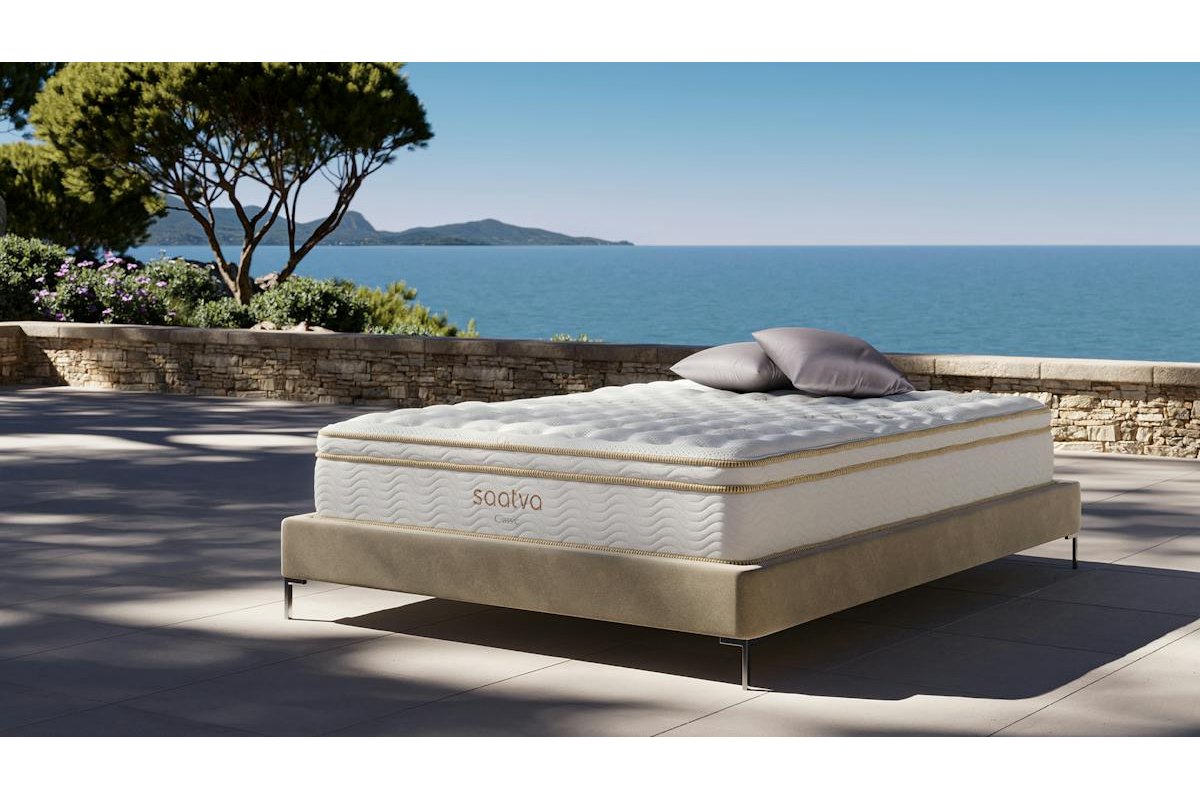
Saatva Classic
86/100A strong option for sleepers looking for a traditional innerspring-style experience with multiple firmness choices.
View Product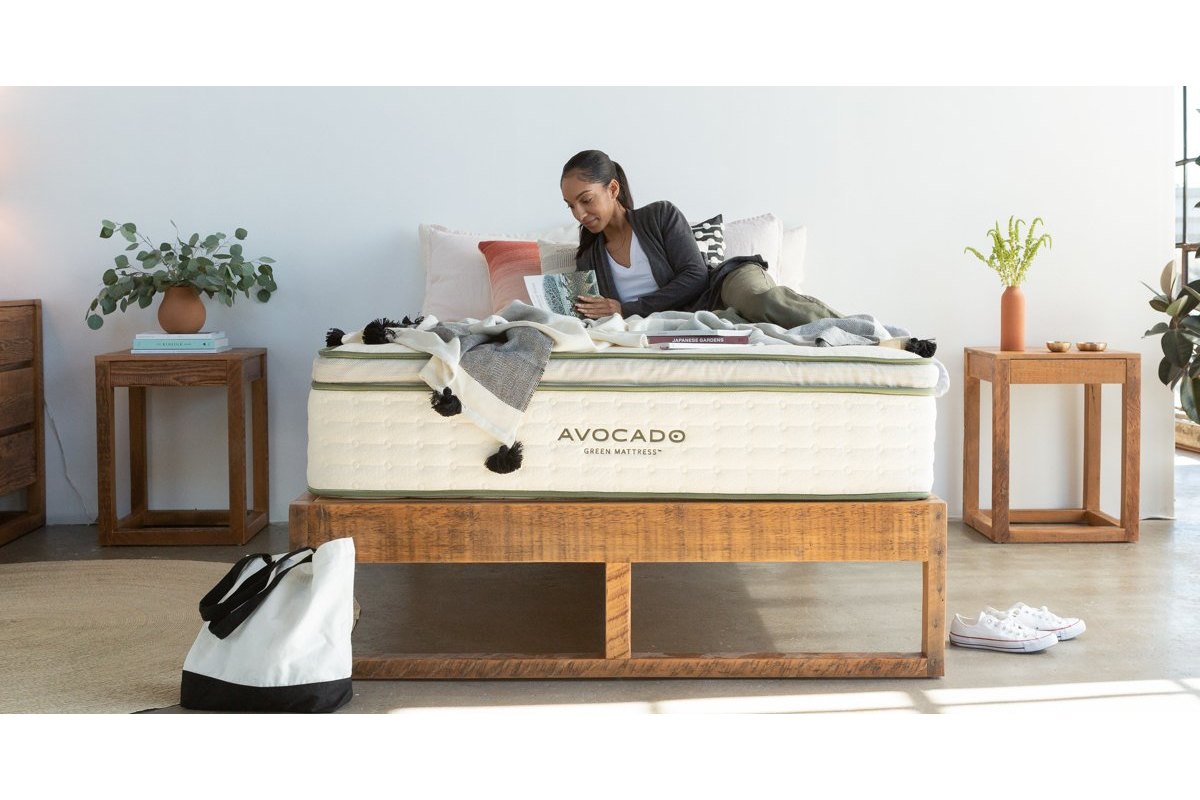
Avocado Green
84/100For shoppers prioritizing certified organic/natural materials and a hybrid construction.
View Product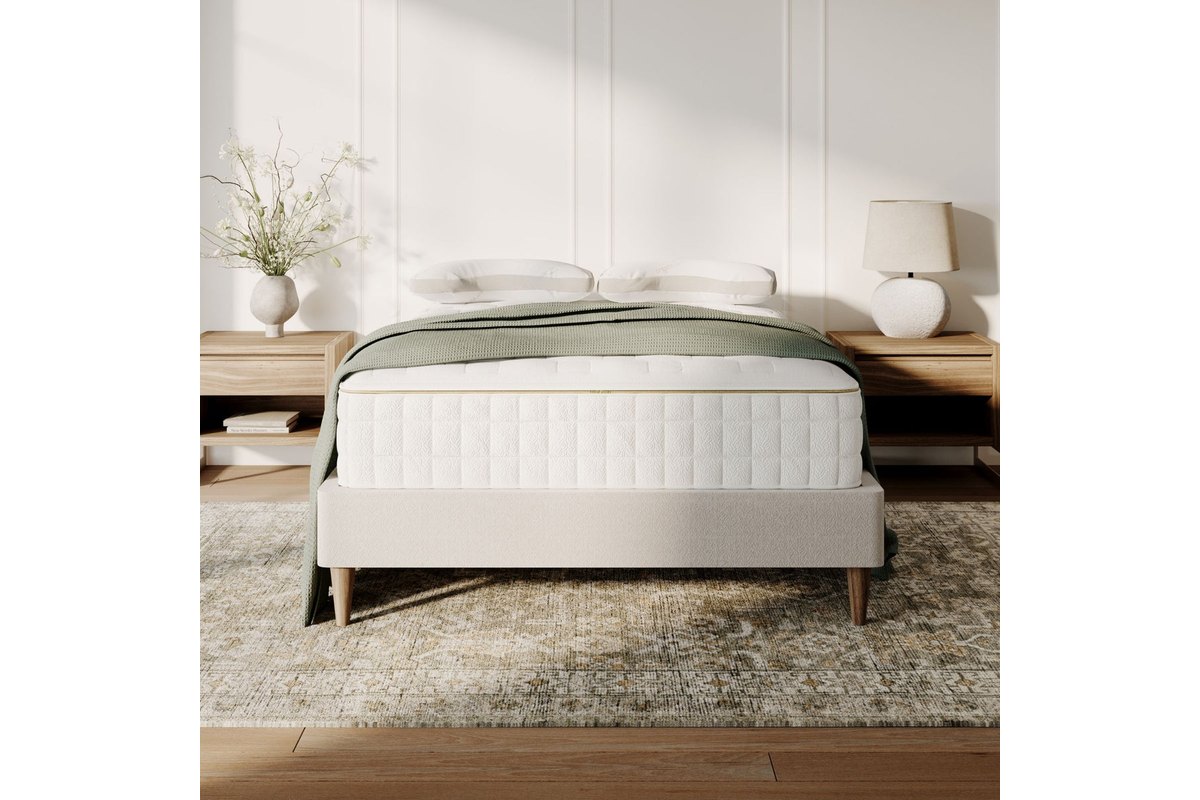
Naturepedic
84/100A premium modular option designed to provide more individualized firmness configurations.
View ProductSleepWell360 may earn a commission if you purchase through some of our links. Our ratings and recommendations are independent of affiliate relationships.
Continue Improving Your Sleep
How Your Mattress and Pillow Affect Your Sleep
Your mattress and pillow can affect comfort, pressure, spinal support and nighttime awakenings. Learn what the research says and how to find the right sleep surface.
Read Guide
How to Choose the Right Pillow for Your Sleep Position
Side, back or stomach sleeper? Learn how pillow height, shape, mattress firmness and sleep position work together—and how to find a pillow that fits you.
Read GuideHow to Choose the Right Pillow Height
A practical guide to pillow height, firmness, sleep position and signs that your current pillow may not fit.
Read GuideSources & Research
SleepWell360 articles provide general sleep education and are not medical advice.
- 1.Harvard Health: Harvard Health Publishing. Not-so-sweet slumber: Sleep position and bedding can trigger back or neck pain. 2022.
- 2.PubMed: Kovacs FM, et al. Effect of firmness of mattress on chronic non-specific low-back pain: randomised, double-blind, controlled, multicentre trial. The Lancet. 2003.
- 3.PMC: Caggiari G, et al. What type of mattress should be chosen to avoid back pain and improve sleep quality? Review of the literature. Journal of Orthopaedics and Traumatology. 2021.
- 4.PubMed: Jacobson BH, Boolani A, Smith DB. Changes in back pain, sleep quality, and perceived stress after introduction of new bedding systems. Journal of Chiropractic Medicine. 2009.
- 5.PubMed: Jacobson BH, et al. Grouped comparisons of sleep quality for new and personal bedding systems. Applied Ergonomics. 2008.