Why Do I Keep Waking Up at Night?
Brief awakenings during the night are a normal part of sleep. They become a problem when you wake often, stay awake for long stretches, or feel unrested the next day. Common contributors include noise, light, temperature, alcohol, stress, needing the bathroom, pain and some sleep disorders.
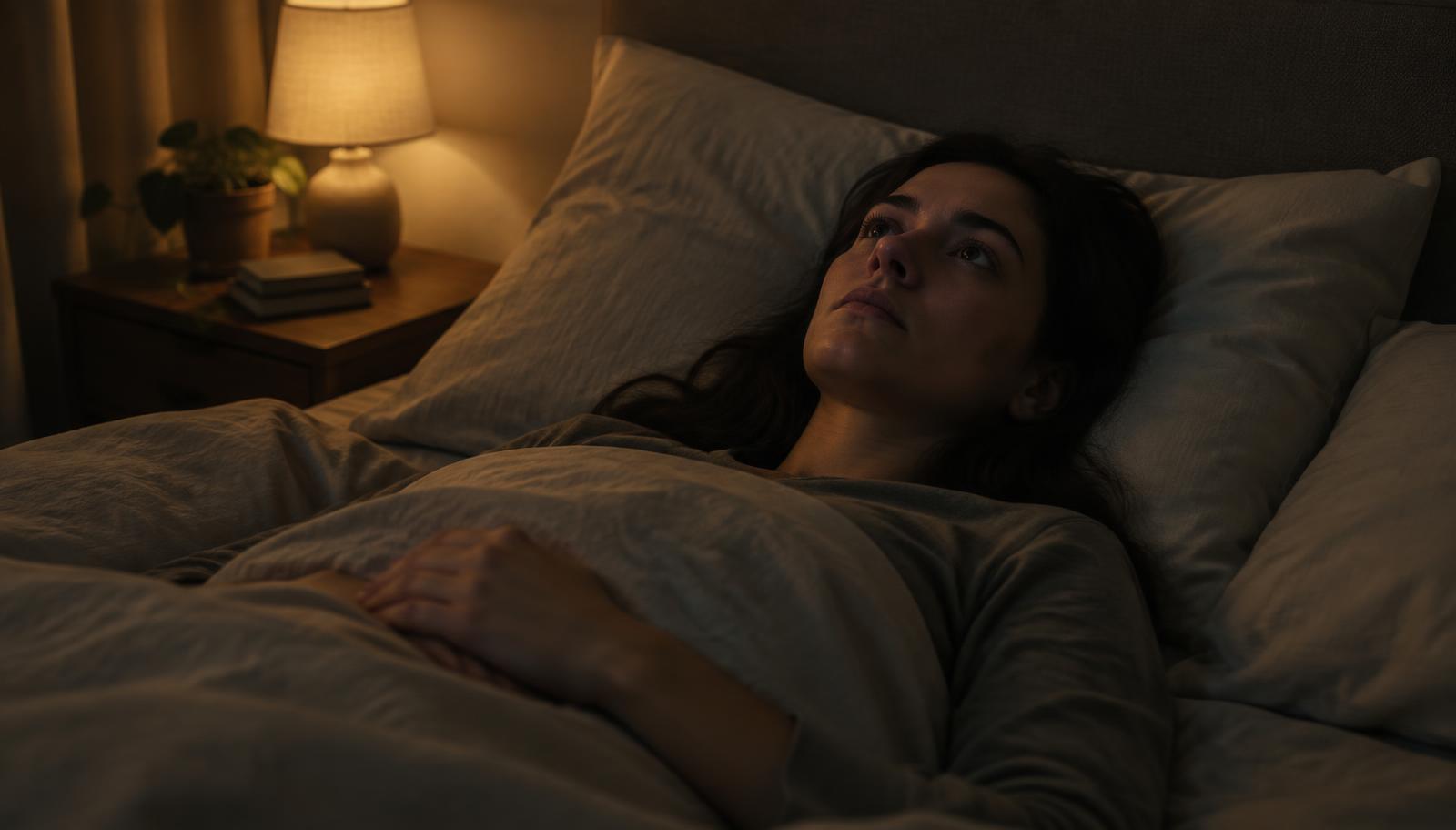
- Waking briefly during the night is normal, and it becomes more common with age.[1]
- The more useful questions are how often you wake, how long you stay awake, and how you feel the next day.
- If you’re awake for roughly 20 minutes—or simply feel wide awake and unable to settle—getting out of bed and doing something calm in dim light can help reset the connection between bed and sleep. Avoid watching the clock.[3]
- Frequent waking with daytime effects for three months or more, or waking with gasping or choking, should be discussed with a healthcare professional.[2][5]
The short answer
Everyone wakes during the night. Sleep moves through repeating cycles, and short awakenings between them are normal. Most are so brief that you don't remember them in the morning.
Night waking is worth looking into when it happens often, when you lie awake for a long time before falling back asleep, or when it leaves you tired during the day. Several different things can contribute, and more than one can be involved.[1]
What the evidence says
Studies of healthy adults show that time spent awake after first falling asleep tends to increase with age, while deep sleep decreases. Some night waking is part of how sleep normally changes over a lifetime.
Difficulty staying asleep is one of the core features of insomnia. Insomnia is typically considered chronic when sleep difficulty happens at least three nights a week for three months and affects daytime functioning.
Alcohol can help some people fall asleep faster but tends to disrupt sleep later in the night.[1][2][4]
Common contributors to consider
These are possibilities to consider, not a way to diagnose the cause. Keeping notes for a week often makes patterns easier to spot.[2][4][5]
- 01
Your environment
Noise, light from streetlamps or early sunrise, and a room that is too warm can all make you more likely to wake.
- 02
Alcohol and caffeine
Alcohol close to bedtime and caffeine later in the day can both make sleep lighter or more broken.
- 03
Stress and a busy mind
Worry can make it harder to settle back to sleep once you wake, and lying awake can itself become a source of stress.
- 04
Needing the bathroom
Waking to urinate is common, particularly with age. If you regularly wake several times a night to urinate, mention it to a healthcare professional, particularly if this is new or bothersome.
- 05
Pain or discomfort
Aches, an unsupportive mattress or pillow, and some health conditions can wake you.
- 06
Sleep disorders and health factors
Sleep apnea, restless legs, reflux, hormonal changes and some medications can all interrupt sleep.
What you can try when you can't get back to sleep
These approaches come from established behavioral guidance for insomnia. They're general strategies, not a treatment program.[3]
- 01
Don't watch the clock
Turn the clock away. Checking the time tends to increase frustration and alertness.
- 02
Get up if you can't settle
If you've been awake for roughly 20 minutes—or simply feel wide awake and unable to settle—get out of bed and do something calm in dim light, such as reading a print book. Return to bed when you feel sleepy. Avoid watching the clock.
- 03
Keep light and screens low
Use the dimmest light you need and avoid bright screens during the night.
- 04
Keep the same wake time
Get up at your usual time even after a broken night. Sleeping in can make the next night harder.
- 05
Note what woke you
Jot down a word or two in the morning — noise, heat, bathroom, worry — so patterns become visible over a week.
What this may mean for you
The SleepWell360 Assessment asks what tends to wake you. When that points to heat, light or noise, your plan focuses on the matching Sleep Driver. When your environment and habits look good but sleep is still broken, your plan may suggest the steps above, a sleep diary, or a conversation with a professional.
How this relates to the SleepWell360 Sleep Drivers
Night waking can connect to several Drivers: Temperature (waking hot), Light (early light or streetlamps), Sound (traffic, a partner, household noise), Surface (discomfort) and Recovery (stress, alcohol and caffeine timing). Addressing the most likely contributor first is usually more useful than changing everything at once.
When to seek professional evaluation
Talk with a healthcare professional if you wake frequently at least three nights a week for three months or more and it affects your days; if you wake gasping, choking or short of breath, or someone has noticed you stop breathing; if you wake often to urinate; if pain regularly wakes you; or if you have uncomfortable urges to move your legs at night.[2][5]
Continue Improving Your Sleep

How to Keep a Sleep Diary—and What It Can Tell You
A practical 7-night sleep diary: exactly what to write down each morning and evening, how to read your results, and how to use them with a clinician.
Read Guide
What Is CBT-I? The First-Line Treatment for Chronic Insomnia
What CBT-I is, what it usually involves, who it may help, and why medical guidelines recommend it before sleep medication for chronic insomnia.
Read Guide
Why Do I Wake Up Hot at Night?
Waking up hot can be caused by your bedroom, bedding, hormones, medications and more. Learn what may be happening and what you can try tonight.
Read GuideSources & Research
SleepWell360 articles provide general sleep education and are not medical advice.
- 1.Sleep: Meta-analysis of quantitative sleep parameters from childhood to old age in healthy individuals (Ohayon et al., Sleep, 2004)
- 2.American Academy of Sleep Medicine, Sleep Education: Insomnia
- 3.American Academy of Sleep Medicine: Behavioral and Psychological Treatments for Chronic Insomnia Disorder in Adults (Edinger et al., J Clin Sleep Med, 2021)
- 4.Alcoholism: Clinical and Experimental Research: Alcohol and sleep I: effects on normal sleep (Ebrahim et al., Alcohol Clin Exp Res, 2013)
- 5.National Heart, Lung, and Blood Institute (NIH): Insomnia