Why Do I Wake Up Hot at Night?
Waking up hot doesn't necessarily mean something is wrong. Your body naturally regulates temperature differently during sleep, and your bedroom, bedding, mattress and clothing can make it harder to shed heat. But persistent or drenching night sweats can have other causes and deserve more attention.
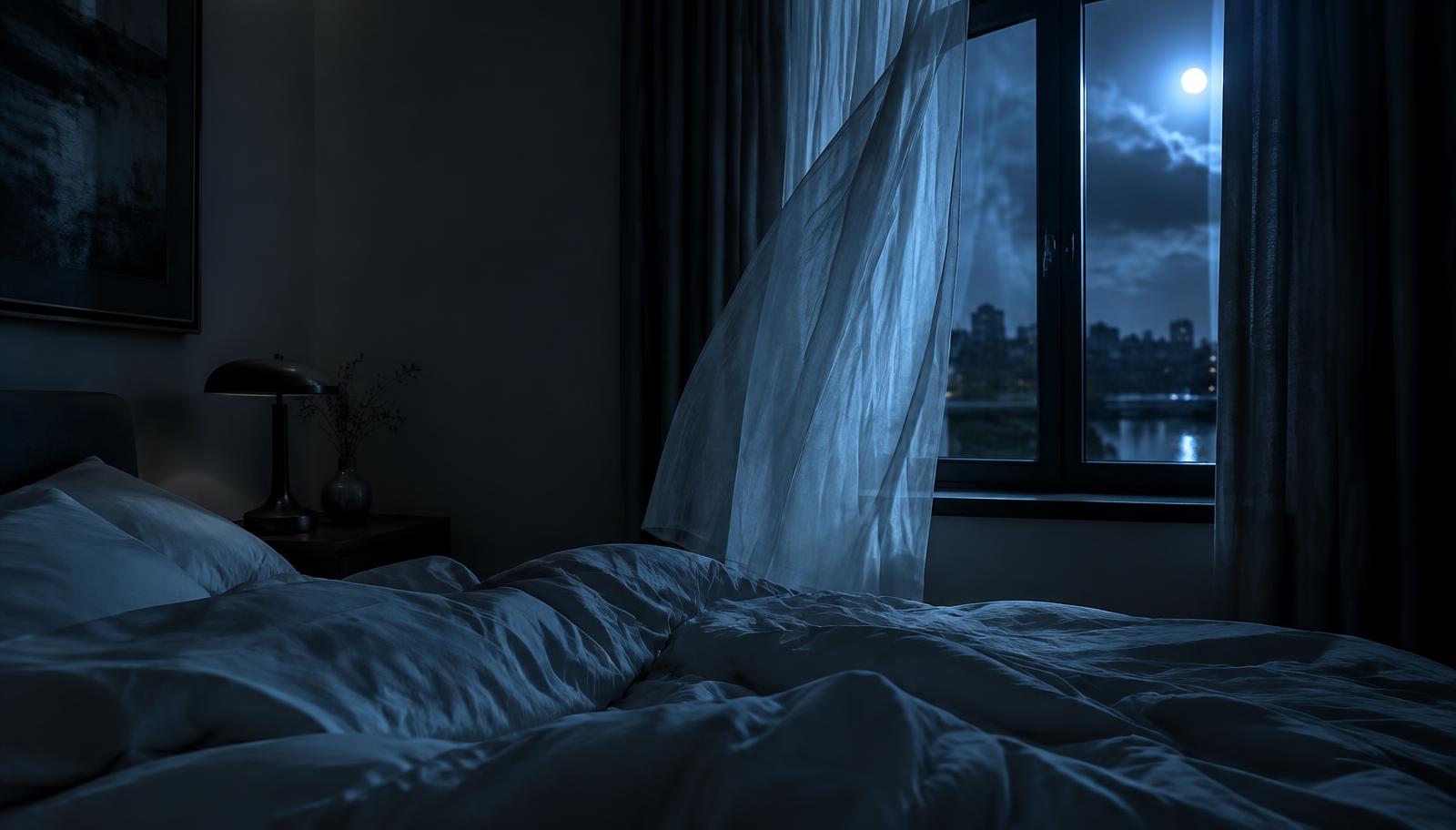
- If you're waking up hot, start with your sleep environment. Your body's temperature follows a daily rhythm and normally declines around the transition to sleep. Your bedroom, mattress, bedding and clothing all affect the thermal environment around you, and excessive nighttime heat can interfere with sleep.
- Try the simple things first: make the bedroom comfortably cooler, reduce heavy bedding, improve airflow and pay attention to whether your mattress or bedding traps heat.
- But there's an important distinction between sleeping too hot and experiencing true night sweats. Repeated heavy sweating that soaks your clothes or bedding—particularly when your room isn't hot—can have causes beyond your sleep environment and deserves more attention.
Why temperature matters when you sleep
Your body's temperature isn't constant throughout the day. It follows a roughly 24-hour rhythm. As bedtime approaches and sleep begins, core body temperature declines. This process is closely connected to the body's sleep-wake system.
That doesn't mean you need to feel cold to sleep. Your body is continually trying to maintain a comfortable thermal balance. Your skin, pajamas, sheets, comforter, mattress and room temperature all help create the small thermal environment immediately surrounding you.
If that environment becomes too warm, it can become harder to stay thermally comfortable through the night. Research reviewing real-world sleep environments generally finds that higher nighttime temperatures are associated with worse sleep quality or quantity, although the effect varies considerably among individuals.
In other words, temperature isn't just about comfort. It's part of the biology and environment of sleep.[1]
1. Your bedroom is simply too warm
Start with the obvious. If the air around you is too warm, your body has fewer opportunities to release heat. This can become particularly noticeable during warmer months or in bedrooms that retain heat overnight.
There isn't one perfect thermostat setting for everyone. Age, physiology, bedding, clothing and personal preference all matter. The useful target is comfortably cool rather than cold.
If you're regularly kicking off the covers, flipping the pillow, waking sweaty or moving around looking for a cooler part of the bed, temperature deserves attention.
2. Your bedding is trapping heat
Your thermostat tells only part of the story. A duvet, mattress protector, sheets and sleepwear create a microclimate around your body. Different materials vary in insulation, moisture management and breathability.
A systematic review found that bedding and sleepwear fibers can affect thermal comfort and some sleep outcomes under certain conditions, but the available evidence is limited and doesn't establish one material as universally best.
So if your room feels cool but your bed feels hot, investigate the bed itself.[2]
3. Your mattress may retain heat
Your mattress is another large surface interacting with your body for seven or eight hours. Mattresses, toppers and protectors differ in airflow, insulation and heat transfer. Together they can create a warmer sleep environment even when the room itself feels comfortable.
Before replacing a mattress, test easier variables first: lighter bedding, different sheets, less insulating sleepwear or increased airflow. If those don't help, the sleep surface may deserve a closer look.
5. Hormonal changes may be involved
Hot flashes and night sweats are common during perimenopause and menopause and can disrupt sleep. This is different from simply having a warm bedroom.
If you're experiencing new or significant nighttime heat along with other symptoms of perimenopause or menopause, improving the bedroom environment may increase comfort, but it doesn't address the underlying hormonal changes.
Consider discussing persistent or disruptive symptoms with a healthcare professional.
6. Alcohol, stress or illness can change the picture
Not every hot night means you have a bedroom-temperature problem. Stress can trigger sweating. Fever and illness can make you hot. Alcohol can also affect sleep and temperature regulation.
Look for patterns. Did the problem start recently? Does it happen every night or occasionally? Does it correlate with alcohol, illness, unusually stressful days or changes in routine? The pattern can be more informative than a single bad night.
7. A medication or medical condition may be contributing
Some medications—including certain antidepressants and hormonal medicines—can contribute to nighttime sweating. Night sweats can also occur with menopause, thyroid disorders, infections, obstructive sleep apnea and other medical conditions.
This doesn't mean waking up warm is evidence that you have one of these conditions. And don't stop a prescribed medication because you think it may be making you hot. Discuss the symptom with the healthcare professional who manages your medication.[3]
What can you do tonight?
You don't need an expensive sleep system to determine whether temperature is part of your problem. Start with the environment.
- 01
Make the room comfortably cooler
Try making the bedroom somewhat cooler than usual and see how you sleep. Don't become fixated on one magic number. Experiment within a comfortable range and pay attention to whether you wake hot less often.
- 02
Lighten the bedding
Try one lighter layer instead of a heavy comforter. This is particularly useful if your bed feels hot even though the bedroom doesn't.
- 03
Think about what touches your body
Sheets, pajamas, mattress pads and mattress protectors can all affect the microclimate around your skin. Look for breathable, comfortable materials and don't assume that every product marketed as “cooling” produces meaningful active cooling.
- 04
Improve airflow
A ceiling fan or room fan can increase air movement and may improve perceived comfort in ordinary warm conditions.
- 05
Separate your temperature from your partner's
If you and your partner have different temperature preferences, try separate blankets first. It's cheap, simple and gives each sleeper more control over insulation.
- 06
Track it for a week
For seven nights, note your bedroom temperature, whether you woke hot, how many times you woke, what bedding you used, any alcohol that evening and anything else unusual. You may quickly find a pattern.
What if the simple changes aren't enough?
This is where SleepWell360 distinguishes between passive cooling and active cooling. Passive approaches include lighter bedding, breathable sheets and increased airflow. They primarily help prevent excess heat from becoming trapped or help your body release heat. Active systems use powered airflow or temperature-controlled mattress covers to change the thermal environment around the sleeper.
The evidence for active cooling is still developing. A recent systematic review and meta-analysis found that cooling bedding interventions can alter body temperature, but the overall evidence for improving standard objective sleep measures was low to very low certainty.
That doesn't mean active cooling doesn't work for comfort. It means the scientific evidence isn't strong enough to promise that a cooling system will improve everyone's sleep.[4]
When waking up hot deserves medical attention
There's a difference between “I get too warm under my comforter” and “I'm repeatedly waking up drenched in sweat for no apparent reason.”
Mayo Clinic describes night sweats as repeated episodes of very heavy sweating during sleep that can soak sleepwear or bedding. It recommends medical evaluation when night sweats happen regularly, interrupt sleep or occur with symptoms such as fever, unexplained weight loss, localized pain, cough or diarrhea.
Heavy sweating accompanied by symptoms such as chest pain or lightheadedness can require urgent medical attention.
SleepWell360 can help you think about your sleep environment. It isn't a substitute for medical evaluation when symptoms suggest something beyond the environment.[3][5]
SleepWell360 Recommended Solutions
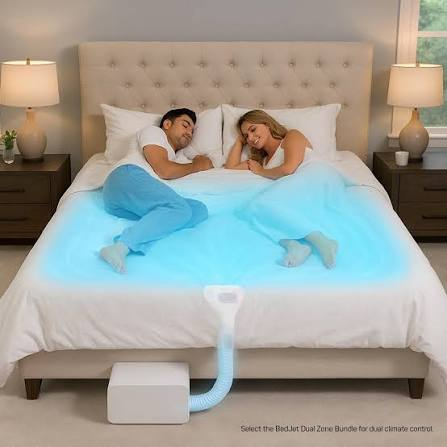
BedJet 3
82/100For sleepers who want powered airflow inside the bed without adding a water-circulating mattress cover.
View Product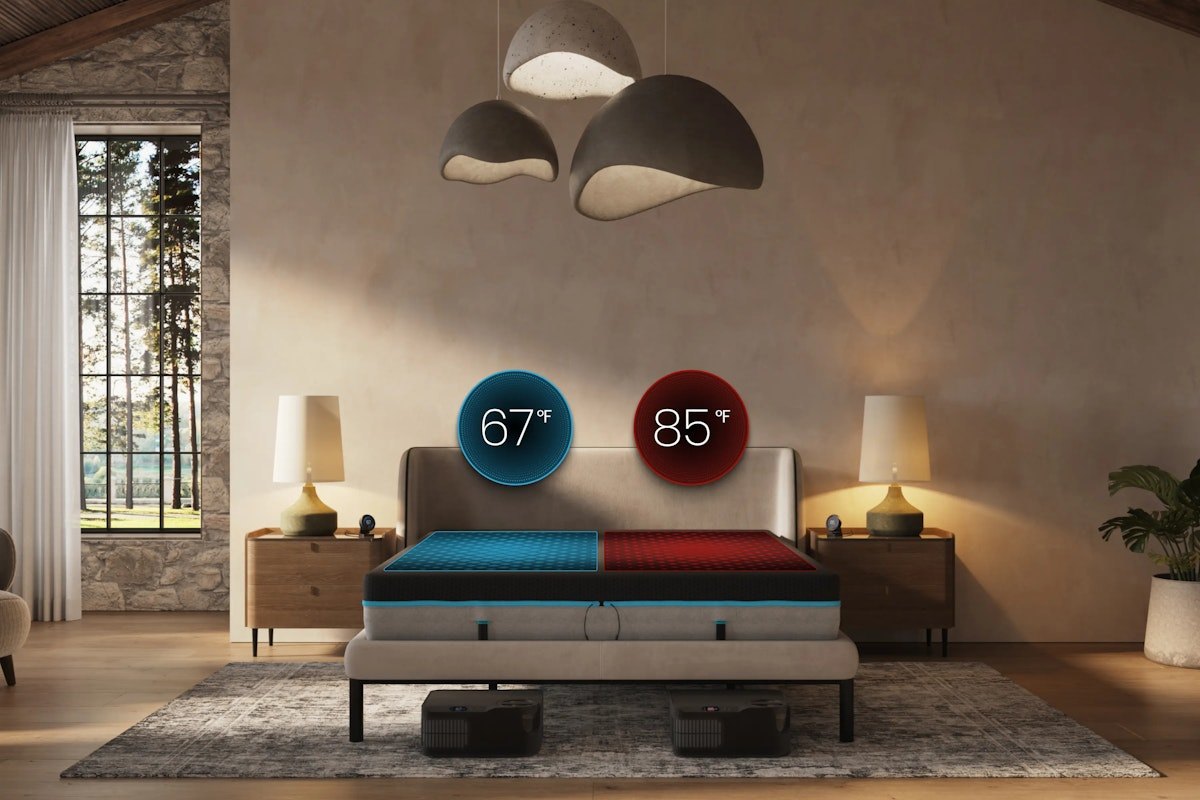
Sleepme Dock Pro
82/100For sleepers looking for water-based temperature control at the sleep surface.
View Product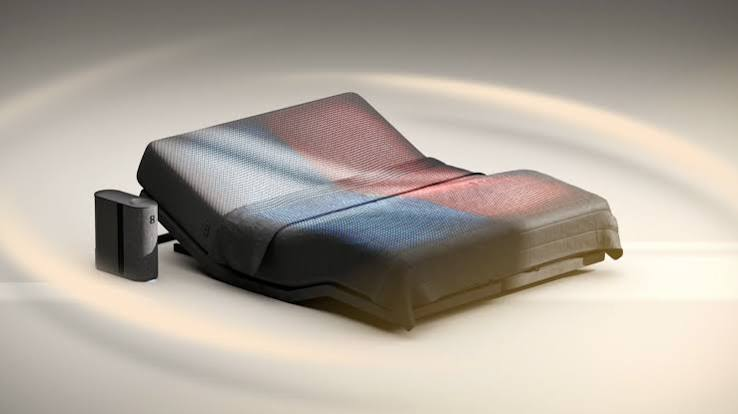
Eight Sleep Pod
86/100For sleepers looking for dual-zone temperature control combined with sleep tracking and automation.
View ProductSleepWell360 may earn a commission if you purchase through some of our links. Our ratings and recommendations are independent of affiliate relationships.
Continue Improving Your Sleep
The Best Temperature for Sleep—and Why It Matters
Is 65°F really the best temperature for sleep? Learn what research says about bedroom temperature, body temperature and finding your personal sleep temperature.
Read Guide
How to Sleep Cooler: 10 Things to Try Tonight
Too hot to sleep? Try these 10 practical ways to sleep cooler, from free bedroom changes to airflow, bedding and active bed-cooling systems.
Read Guide
Cooling Mattress Pads vs. Cooling Sheets vs. Fans: What Actually Works?
Cooling sheets, fans, bed airflow or active mattress cooling? Learn how sleep-cooling approaches differ and which may fit your problem.
Read GuideSources & Research
SleepWell360 articles provide general sleep education and are not medical advice.
- 1.PubMed: Minor K, et al. A systematic review of ambient heat and sleep in a warming climate. Sleep Medicine Reviews. 2024.
- 2.PMC: Li X, Halaki M, Chow CM. How do sleepwear and bedding fibre types affect sleep quality: A systematic review. Journal of Sleep Research. 2024.
- 3.Mayo Clinic: Night sweats: Causes.
- 4.PubMed: Does body cooling facilitated by bedding compared to control condition improve sleep among adults? A systematic review and meta-analysis. 2024.
- 5.Mayo Clinic: Excessive sweating: Causes.