Alcohol and Sleep: Why a Nightcap Can Backfire
Alcohol can make you feel drowsy and help you fall asleep faster, but it tends to make sleep lighter and more broken later in the night. There's no universal safe number of hours before bed; less alcohol, earlier in the evening, generally means less disruption.
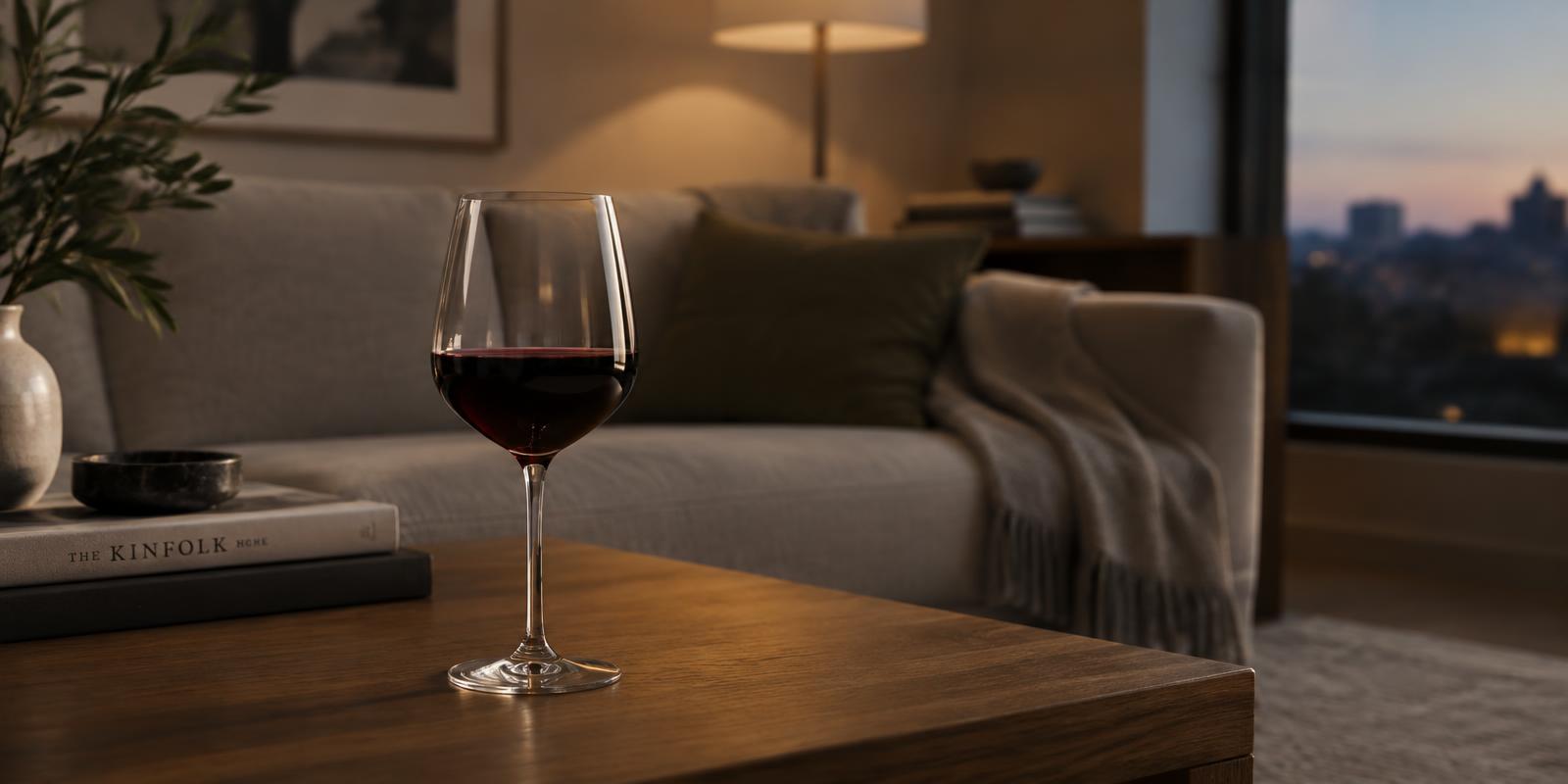
- Alcohol can shorten the time it takes to fall asleep, but it tends to disrupt sleep in the second half of the night.[1]
- Research suggests effects on sleep and overnight recovery increase with the amount consumed, even at moderate levels.[2]
- No single number of hours before bed works for everyone. Drinking less, and finishing earlier in the evening, generally reduces the impact.
- Using alcohol to fall asleep is not a helpful long-term strategy and can mask problems worth addressing directly.
The short answer
A drink in the evening can make you feel relaxed and sleepy. The problem comes later: as your body processes the alcohol, sleep often becomes lighter and more fragmented, with more waking in the early morning hours.
That's why a nightcap can leave you feeling as if you slept, but not well.
What the evidence says
A comprehensive review of laboratory studies in healthy people found that alcohol consistently shortened the time to fall asleep and increased deep sleep early in the night, while REM sleep was reduced—especially in the first half of the night—at higher doses. Sleep in the second half of the night tended to be more disrupted.
A large real-world study using overnight heart-rate measurements found that greater alcohol intake was associated with larger changes in overnight autonomic recovery. Because this was an observational study, it does not establish that alcohol caused those changes.
Research suggests alcohol can worsen snoring and sleep-related breathing in some people, particularly those who already snore or have obstructive sleep apnea.[1][2][3]
What you can try
- 01
Move it earlier
If you drink in the evening, try having it with an earlier dinner rather than close to bed. There's no universal cutoff, but more time between your last drink and sleep generally helps.
- 02
Have less
Effects appear to scale with the amount. One drink instead of two, or a few alcohol-free evenings a week, is a meaningful experiment.
- 03
Compare your nights
For two weeks, note how you sleep and feel on nights with and without alcohol. Many people notice more early-morning waking after drinking.
- 04
Don't use it as a sleep aid
If you rely on alcohol to fall asleep, that's a sign to address the underlying sleep difficulty another way.
What this may mean for you
If your Sleep Plan suggested moving alcohol earlier, it's because your answers showed drinking close to bedtime alongside night waking or unrefreshing sleep. It's a free experiment that is often worth trying before anything else.
How this relates to the SleepWell360 Sleep Drivers
Alcohol timing belongs to Recovery. It also connects to night waking and, for some people, to snoring and breathing during sleep, which the Assessment treats separately as a safety signal.
When to seek professional evaluation
Talk with a healthcare professional if you find it hard to sleep without alcohol, if you're concerned about how much you drink, or if you snore loudly, gasp or stop breathing during sleep. Don't stop heavy daily drinking abruptly without medical advice, because withdrawal can be dangerous.[4]
Continue Improving Your Sleep

Caffeine and Sleep: How Late Is Too Late?
How long caffeine can affect sleep, why there's no universal cutoff time, and how to find your own caffeine timing with a simple experiment.
Read Guide
Why Do I Keep Waking Up at Night?
Why night waking happens, common contributors to consider, what to do when you can't get back to sleep, and when to talk with a healthcare professional.
Read Guide
Snoring, Gasping and Breathing During Sleep: When to Get Checked
Which breathing-related sleep signs are common, which deserve a conversation with a healthcare professional, and what an evaluation usually involves.
Read GuideSources & Research
SleepWell360 articles provide general sleep education and are not medical advice.
- 1.Alcoholism: Clinical and Experimental Research: Alcohol and sleep I: effects on normal sleep (Ebrahim et al., 2013)
- 2.JMIR Mental Health: Acute effect of alcohol intake on cardiovascular autonomic regulation during the first hours of sleep in a large real-world sample of Finnish employees (Pietilä et al., 2018)
- 3.Sleep Medicine: Alcohol and the risk of sleep apnoea: a systematic review and meta-analysis (Simou et al., 2018)
- 4.National Institute on Alcohol Abuse and Alcoholism: Treatment for Alcohol Problems: Finding and Getting Help