How Noise Affects Sleep
Noise can make it harder to fall asleep and can briefly wake you or shift you into lighter sleep during the night—sometimes without you remembering it. Sudden, intermittent or changing sounds can be particularly disruptive because they stand out against the background. People vary widely in how sensitive they are, so the first step is figuring out whether noise is actually a problem for you.
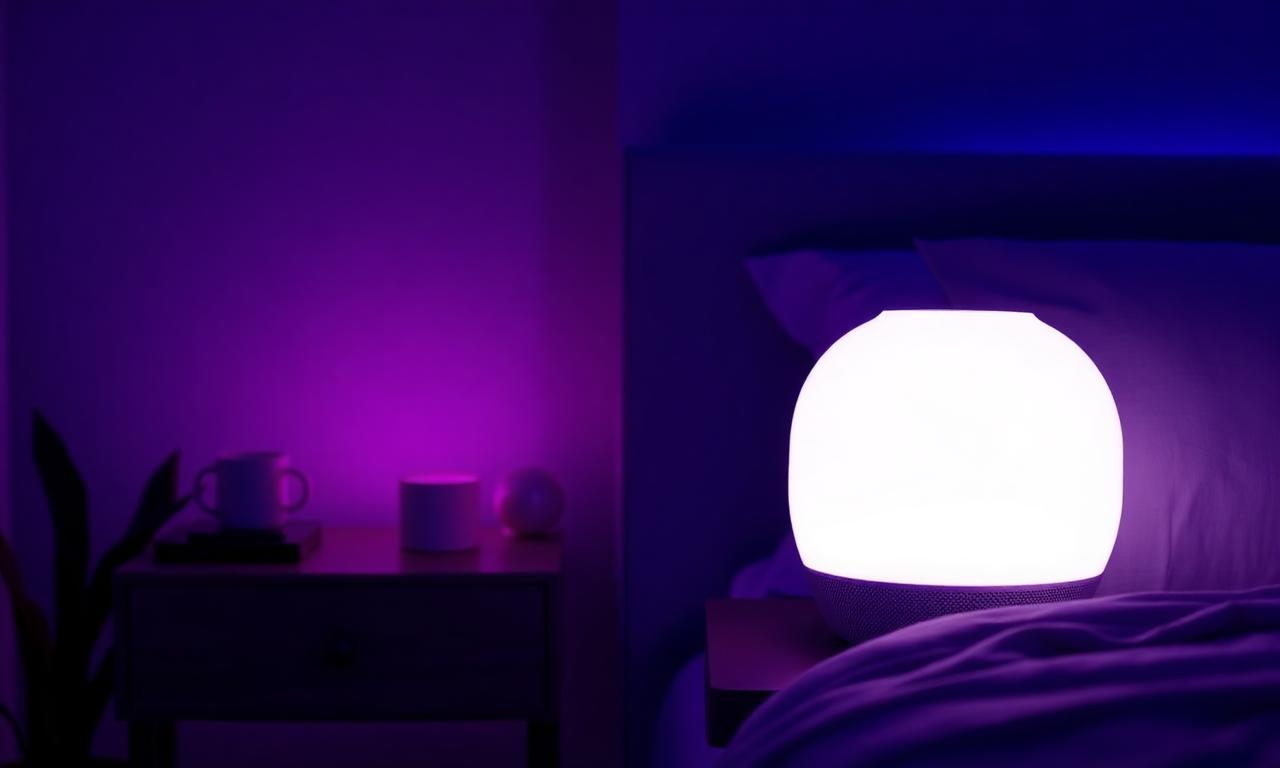
- Environmental noise can interfere with falling asleep and staying asleep, and the body can react to noise even when you don't fully wake.[1][2]
- Sudden, intermittent or changing sounds may be especially noticeable against a quieter, steady background.
- People differ a lot in noise sensitivity. The same room can be fine for one person and a problem for another.
- Before trying to fix noise, confirm it's actually a factor: notice what wakes you and when.
The short answer
Your brain keeps monitoring sound while you sleep. Noise can delay sleep, cause brief awakenings, and make sleep lighter for a while. Many of these reactions are short, and you may not remember them in the morning, which is why noise can be an overlooked reason for feeling less rested.
What the evidence says
Research reviewed for the World Health Organization found that environmental noise—particularly traffic noise—is associated with more awakenings and self-reported sleep disturbance, with effects increasing at higher noise levels. Laboratory studies show that noise can trigger brief arousals and changes in heart rate during sleep, even when people don't wake fully.
Much of this research focuses on road, rail and aircraft noise and uses average noise levels. Everyday household sounds, pets and partners are studied less, so the practical advice below relies partly on common sense and individual experimentation.[1][2]
Intermittent noise versus steady sound
A single loud event—a door slamming, a dog barking, a motorcycle passing—stands out sharply against a quiet background and is more likely to disturb sleep. A steady, predictable sound like a fan is generally easier to tune out. This difference is why some people use steady background sound to make sudden noises less noticeable.
Common sources
Traffic and street noise; neighbors, shared walls and floors; household appliances, heating and plumbing; pets moving or making noise; a partner snoring, moving or getting up; and phones or devices that chime during the night.
People vary
Noise sensitivity differs widely between people and can change with age, stress and how familiar a sound is. Some people sleep through almost anything; others wake to small sounds. Neither is wrong—it just changes how much sound matters as a Sleep Driver for you.[1]
How to tell whether noise is one of your Drivers
For about a week, notice these things. A simple note on your phone or a sleep diary is enough.
- 01
What woke you?
If you can identify a sound when you wake—traffic, a partner, a pet—note it.
- 02
When does it happen?
Noise-related waking often follows a pattern, such as early-morning traffic or a neighbor's schedule.
- 03
Compare quieter nights
Do you sleep better when you travel, when the house is quiet, or with earplugs?
- 04
Fix the source first
Close windows and doors, move noisy devices, silence notifications. Then consider masking what remains.
What this may mean for you
If your Sleep Plan pointed to Sound, your answers suggested that noise disturbs your sleep at least sometimes. The companion article on white noise, fans and earplugs explains the options for sound you can't control.
How this relates to the SleepWell360 Sleep Drivers
Sound is one of the six SleepWell360 Sleep Drivers. It often overlaps with Recovery (a busy mind can make you more aware of noise) and Airflow (a fan can change both air movement and background sound).
When to seek professional evaluation
If you wake frequently even in a quiet room, or feel unrefreshed despite reasonable sleep time, noise may not be the whole story. Talk with a healthcare professional, especially if you snore loudly, have been told you stop breathing during sleep, or feel very sleepy during the day.
Continue Improving Your Sleep
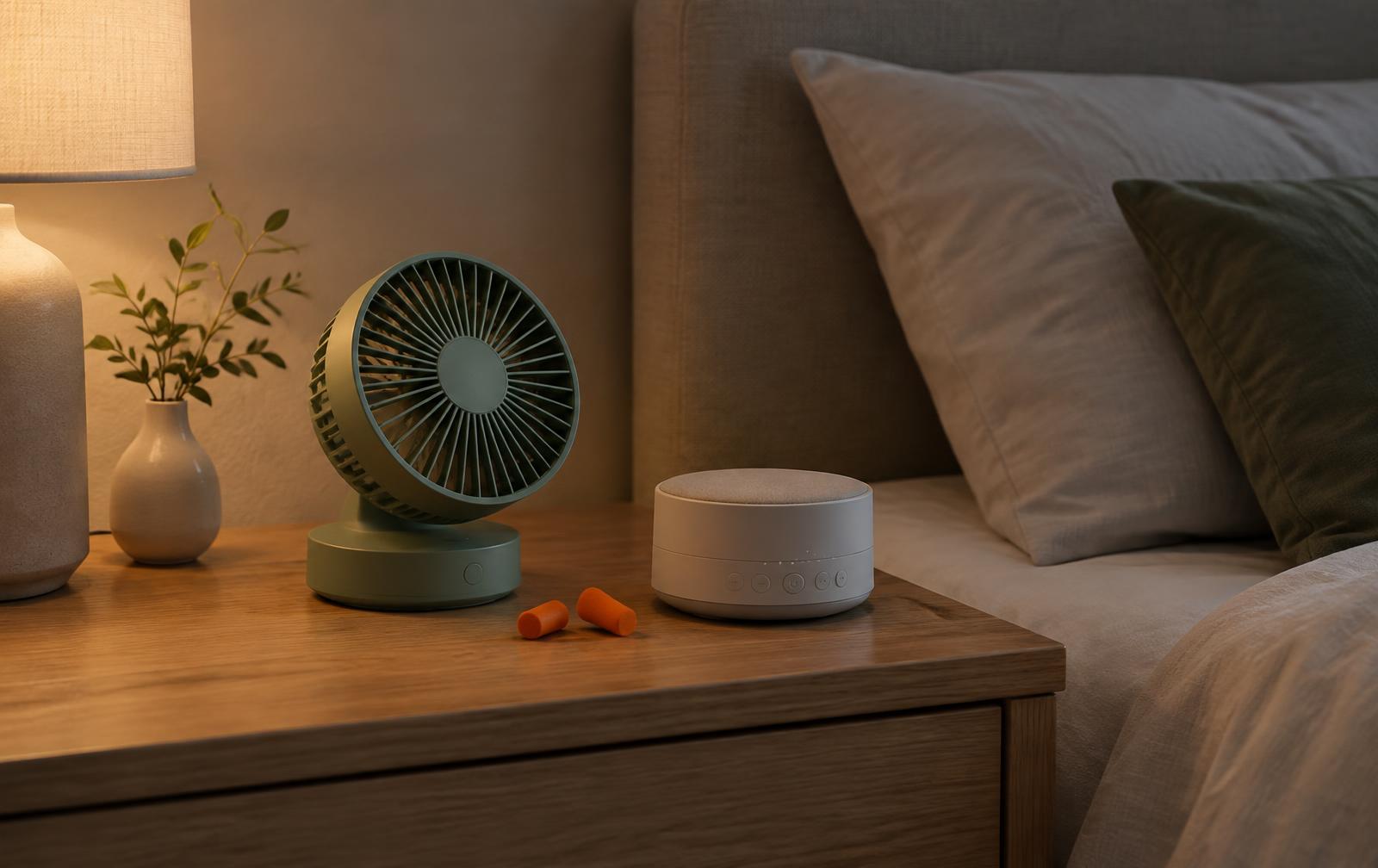
White Noise, Fans or Earplugs?
How white noise, fans and earplugs compare, what the research does and doesn't show, and how to choose and test the right option for your bedroom.
Read Guide
Why Do I Keep Waking Up at Night?
Why night waking happens, common contributors to consider, what to do when you can't get back to sleep, and when to talk with a healthcare professional.
Read Guide
How to Sleep When Your Partner Snores
Practical ways to sleep better next to a snoring partner, why masking the noise isn't the whole answer, and the warning signs that mean the snorer should get checked.
Read GuideSources & Research
SleepWell360 articles provide general sleep education and are not medical advice.
- 1.International Journal of Environmental Research and Public Health: WHO Environmental Noise Guidelines for the European Region: a systematic review on environmental noise and effects on sleep (Basner & McGuire, 2018)
- 2.The Lancet: Auditory and non-auditory effects of noise on health (Basner et al., 2014)