What Is the Best Temperature for Sleep?
A cooler room can support the natural drop in body temperature that helps you fall and stay asleep.
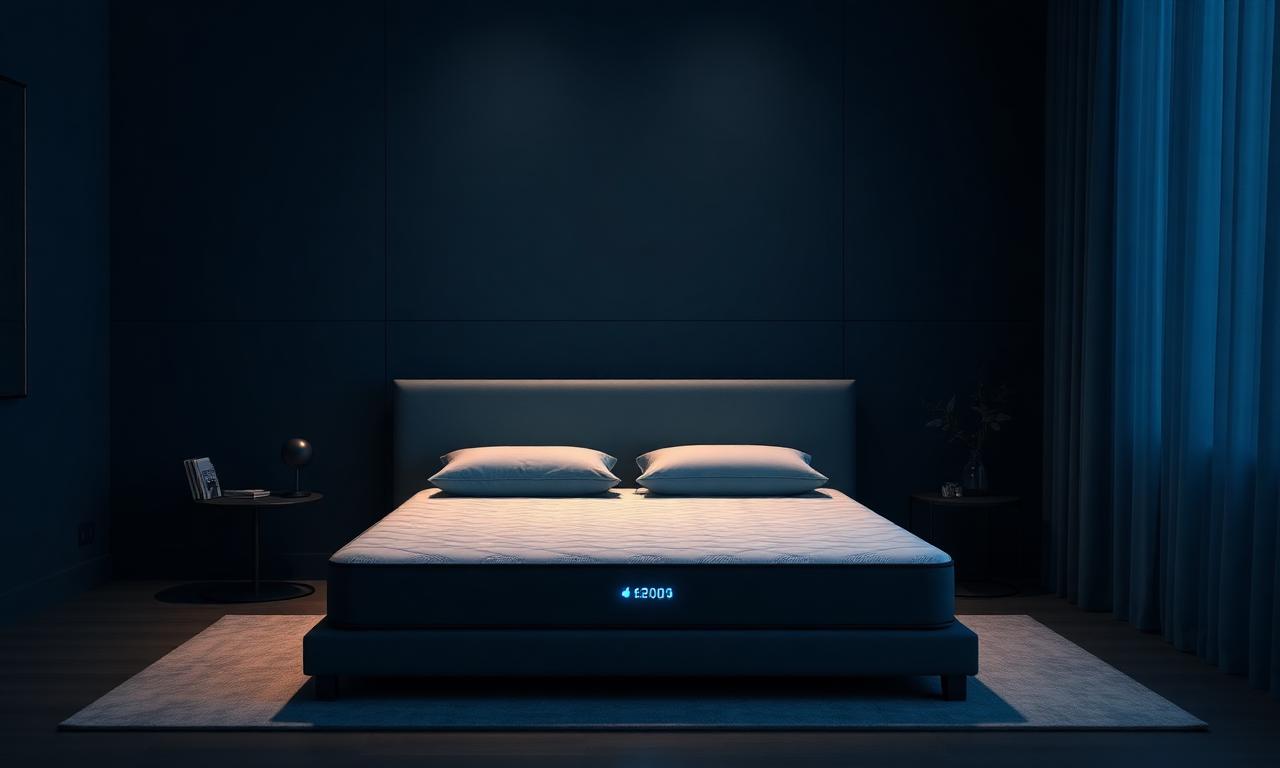
- Start with a cool, comfortable bedroom rather than chasing one perfect number.
- Adjust bedding, sleepwear and airflow before making large thermostat changes.
- Night sweats or temperature changes with other symptoms deserve medical attention.
Why temperature matters for sleep
Your body does not hold the same temperature around the clock. As bedtime approaches, heat moves away from the body's core and core temperature begins to fall. A bedroom that feels too warm can work against that transition.
Comfort still matters. The useful target is a room and bedding system that lets your body release heat without leaving you cold enough to tense up or wake.
A practical starting point
Change one layer at a time
Many adults sleep comfortably in a cool room, but the right setting varies with age, health, climate, bedding and personal preference. Make small changes for several nights and judge them by sleep onset, awakenings and morning comfort—not by the thermostat alone.
When two sleepers need different temperatures
Partners often have different thermal needs. Separate blankets, dual-zone bedding or targeted airflow can reduce compromise without changing the entire room.
If heat is persistent, sudden or accompanied by fever, unexplained weight change or other symptoms, treat it as a health question rather than only a bedroom-comfort problem.
SleepWell360 Recommended Solutions
These products may help address the specific issue discussed above. Recommendations are scored independently; links may earn us a commission.
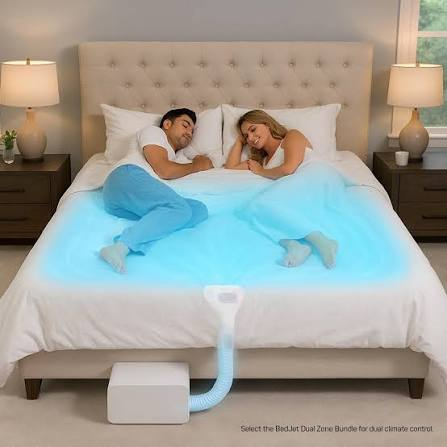
BedJet 3
82/100Targeted airflow changes bed temperature without cooling the entire room.
Hot sleepers who want strong cooling at a lower system cost.
View Product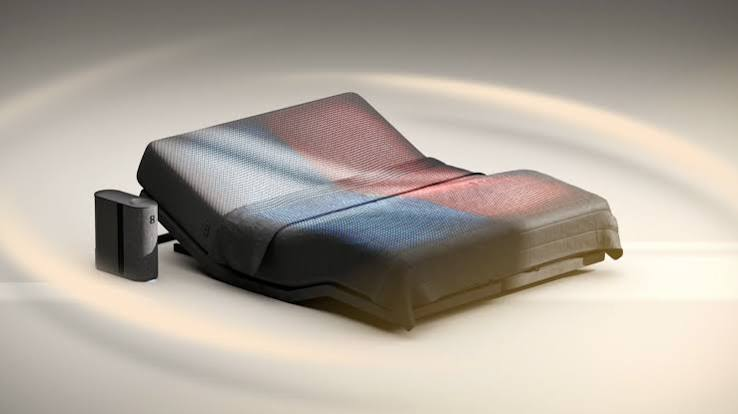
Eight Sleep Pod
86/100Active, dual-zone temperature control can adapt across the night.
Couples and data-focused sleepers seeking automatic control.
View Product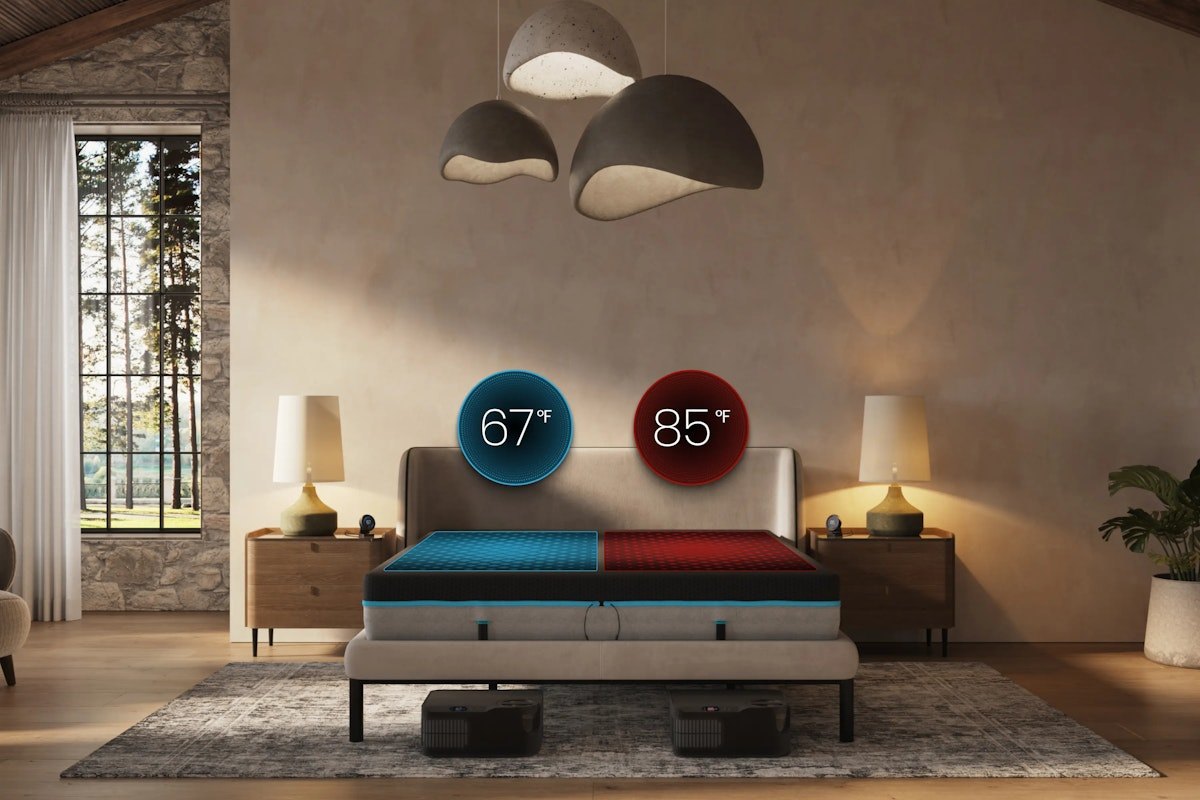
Sleepme Dock Pro
82/100Hydronic cooling provides consistent contact cooling for very hot sleepers.
People who prioritize deep, quiet cooling.
View ProductContinue Improving Your Sleep
How Bedroom Air Quality Affects Sleep
Learn how ventilation, allergens and humidity affect the bedroom environment and what changes are worth trying first.
Read Guide
How to Choose the Right Pillow Height
A practical guide to pillow height, firmness, sleep position and signs that your current pillow may not fit.
Read Guide
Morning Light and Your Circadian Rhythm
Understand how morning light and evening darkness work together to support a more consistent sleep schedule.
Read GuideSources & Research
SleepWell360 uses authoritative and peer-reviewed sources. This article is educational and is not a substitute for individual medical advice.
- 1.National Heart, Lung, and Blood Institute: Your Guide to Healthy Sleep
- 2.Sleep Medicine Reviews: Thermoregulation as a sleep signalling system