Morning Light and Your Circadian Rhythm
Light soon after waking is one of the clearest environmental signals your brain uses to time alertness and sleep.
- Seek bright light after waking and keep your wake time reasonably consistent.
- Dim bright and blue-enriched light as bedtime approaches.
- Light timing matters: poorly timed bright light can shift the body clock in the wrong direction.
Light sets the timing of your body clock
Specialized cells in the eye send light information to the brain's central circadian clock. That clock helps coordinate alertness, melatonin timing, body temperature and the daily sleep-wake rhythm.
Morning light usually supports earlier timing and daytime alertness. Evening and nighttime light can delay biological night, especially when it is bright and close to the eyes.
Build a light-dark routine
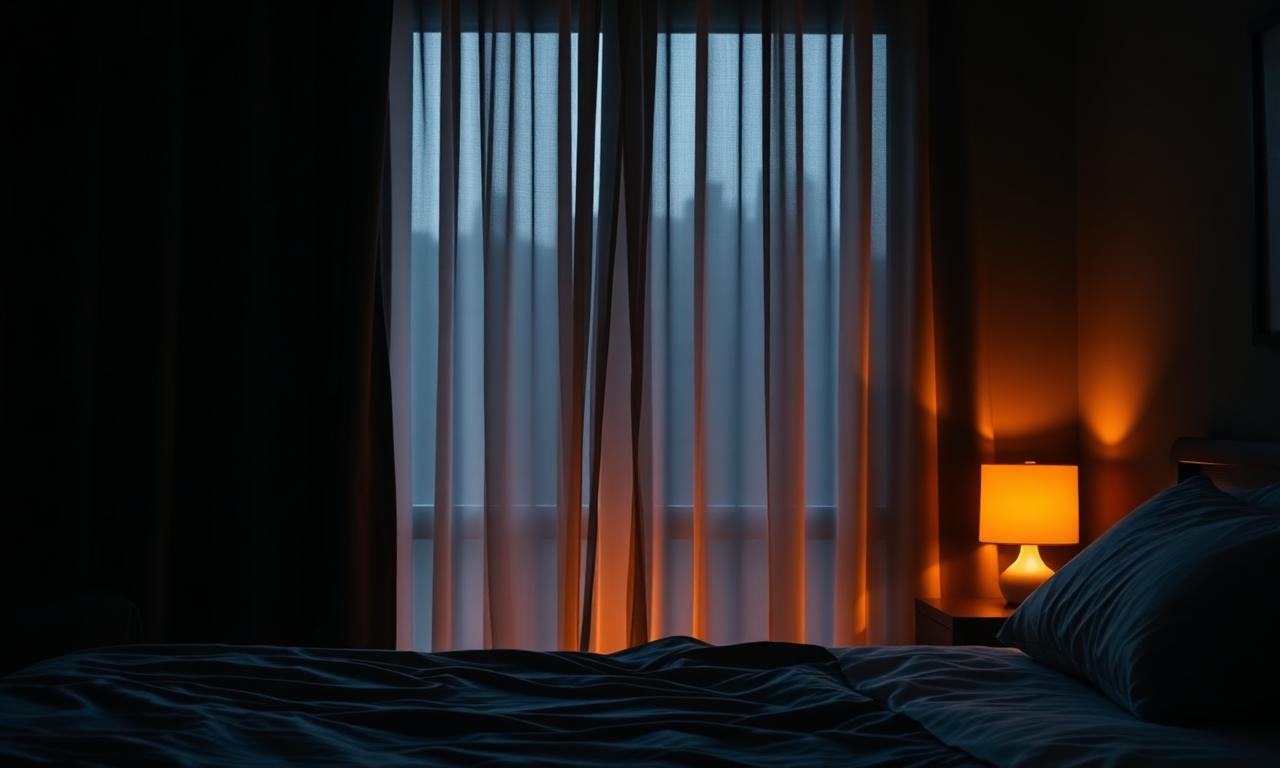
Get outside or near strong natural light after waking when practical. During the evening, reduce unnecessary overhead lighting and keep the bedroom dark enough that light does not interrupt sleep.
When to get guidance
Shift work, jet lag, seasonal mood changes and circadian rhythm disorders can require carefully timed light. Eye conditions and medications may also affect light sensitivity. Ask a qualified clinician before using very bright therapeutic light for a medical purpose.
SleepWell360 Recommended Solutions
These products may help address the specific issue discussed above. Recommendations are scored independently; links may earn us a commission.
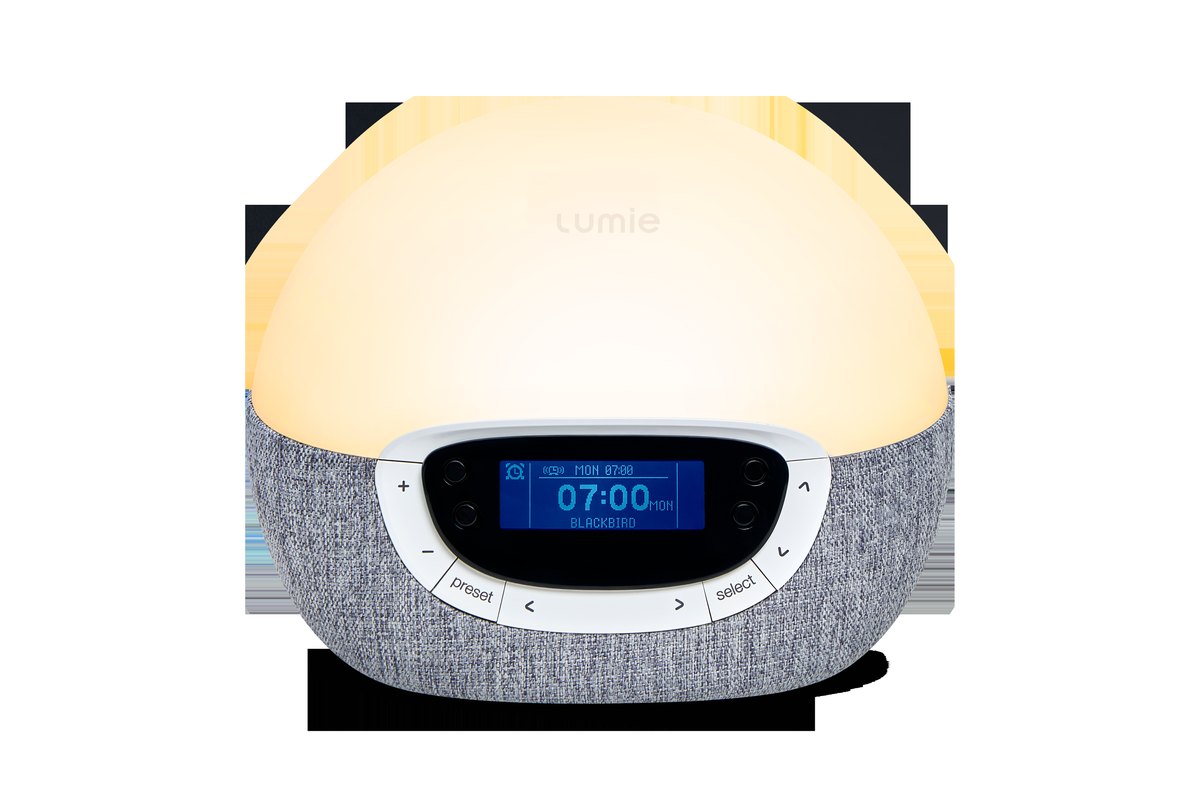
Lumie Bodyclock
88/100A gradual sunrise can make dark mornings feel more natural.
Difficult wakeups and darker seasons.
View Product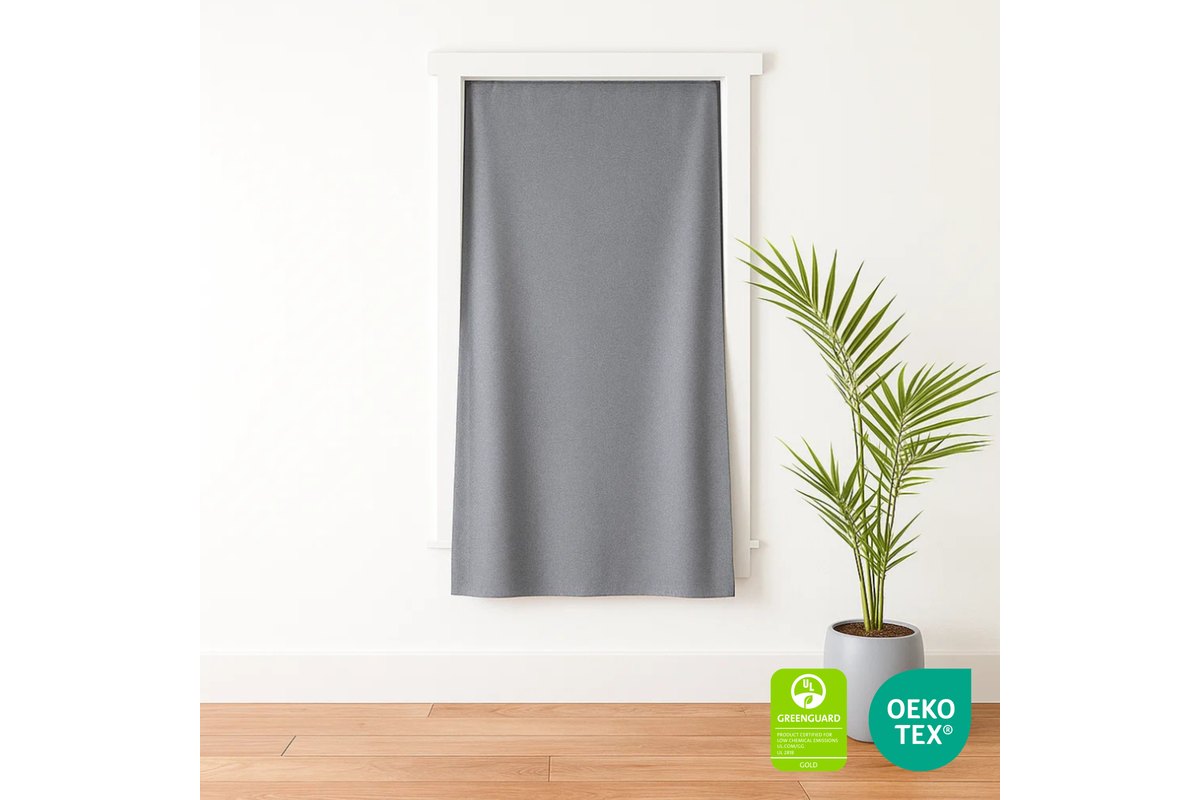
Sleepout Curtains
90/100Portable blackout helps control unwanted nighttime light.
Renters, travelers and shift workers.
View Product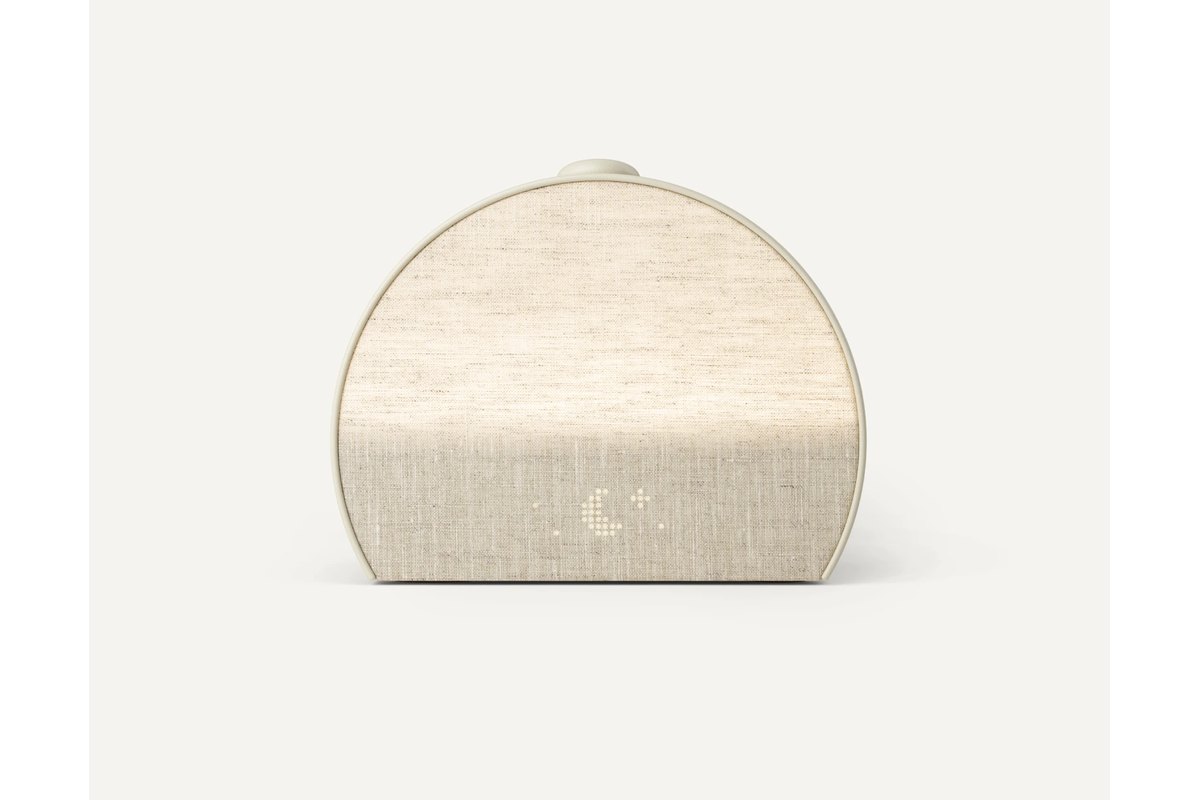
Hatch Restore
83/100Scheduled light and sound cues support repeatable morning and evening routines.
People who want one bedside routine system.
View ProductContinue Improving Your Sleep

How to Build a Better Wind-Down Routine
Build a simple, realistic evening routine that reduces stimulation and supports consistent sleep.
Read Guide
What Is the Best Temperature for Sleep?
Learn how bedroom and body temperature affect sleep, where to start, and how to adjust your sleep environment safely.
Read Guide
White Noise for Sleep: What the Evidence Says
A balanced guide to white noise, fan sounds and safer ways to reduce disruptive nighttime noise.
Read GuideSources & Research
SleepWell360 uses authoritative and peer-reviewed sources. This article is educational and is not a substitute for individual medical advice.
- 1.National Institute of General Medical Sciences: Circadian Rhythms
- 2.Sleep Medicine Clinics: Light and the human circadian clock