White Noise for Sleep: What the Evidence Says
Steady background sound may mask sudden noise, but the evidence is mixed and volume matters.
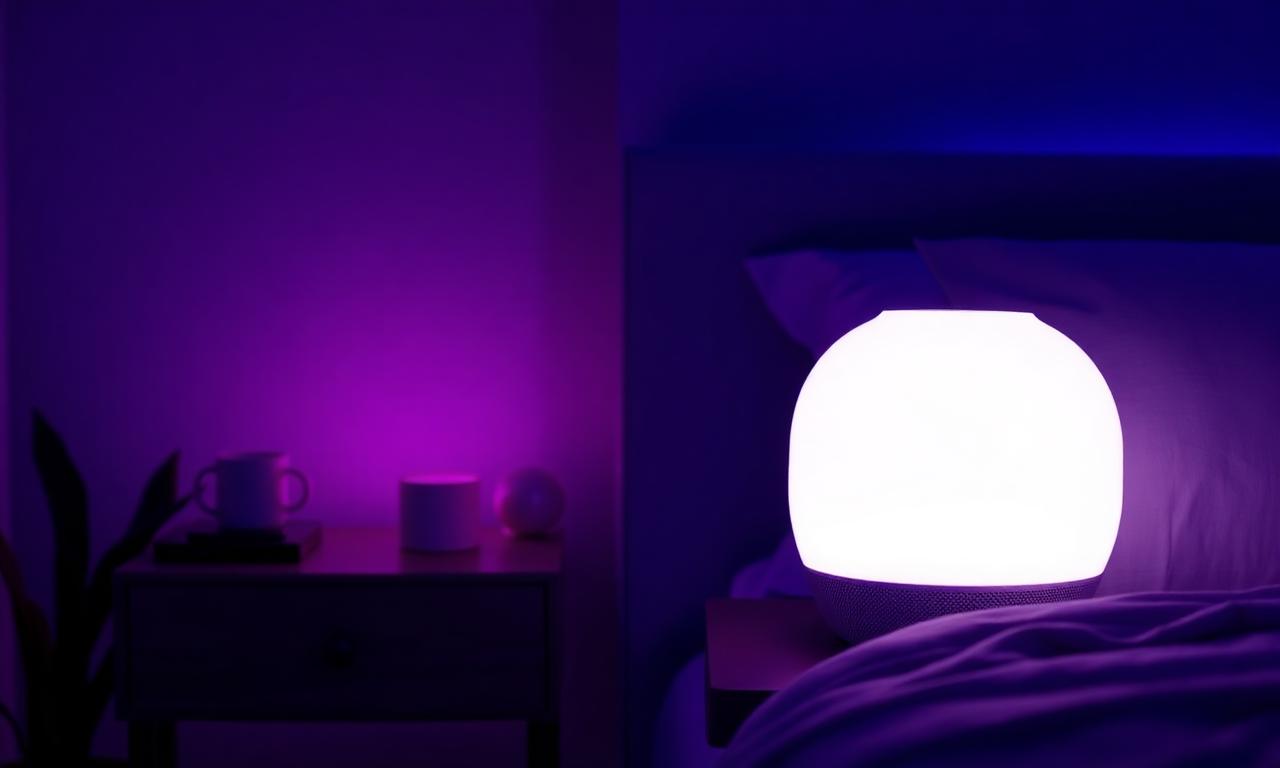
- Use sound to mask unpredictable noise—not as a substitute for fixing avoidable noise sources.
- Keep volume comfortable and place the machine away from your head.
- If sound makes sleep worse or causes ringing or discomfort, stop using it.
How sound masking works
A constant sound can reduce the contrast between the bedroom baseline and sudden events such as traffic, voices or doors. The event still occurs, but it may be less likely to stand out enough to wake you.
White, pink, brown and fan sounds distribute frequencies differently. Preference matters, and no single sound profile is best for everyone.
The evidence is promising but limited
Some studies report better sleep in noisy environments, while reviews note inconsistent methods and results. Treat sound masking as a practical experiment rather than a guaranteed sleep treatment.
Use it at a conservative volume
Start at the lowest level that softens outside noise and position the device away from the pillow. Protecting hearing is more important than completely covering every sound.
Persistent sensitivity to sound, tinnitus or sleep disruption may need a different solution and professional guidance.
SleepWell360 Recommended Solutions
These products may help address the specific issue discussed above. Recommendations are scored independently; links may earn us a commission.
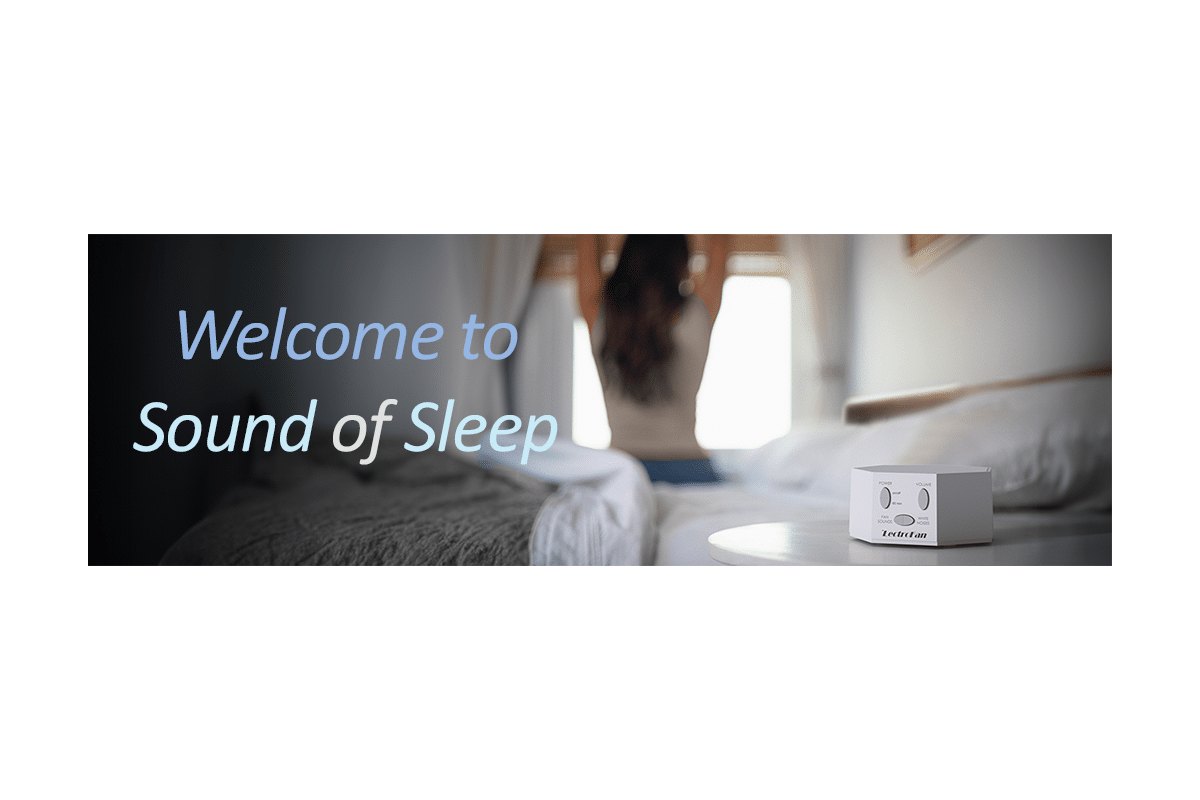
LectroFan
90/100Broad tonal controls make steady masking easier to tune.
Traffic, shared walls and intermittent household noise.
View Product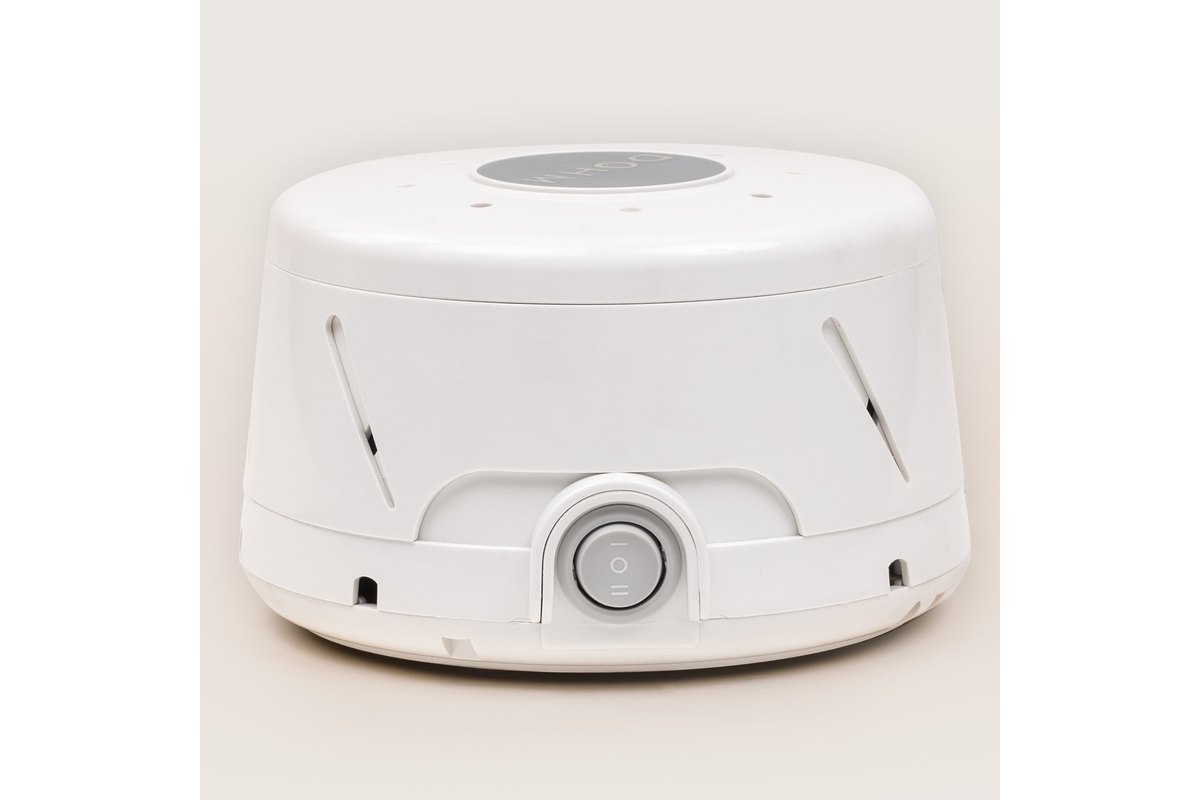
Yogasleep Dohm
90/100A mechanical fan creates continuous, non-looping sound.
People who prefer natural fan sound over digital audio.
View ProductContinue Improving Your Sleep
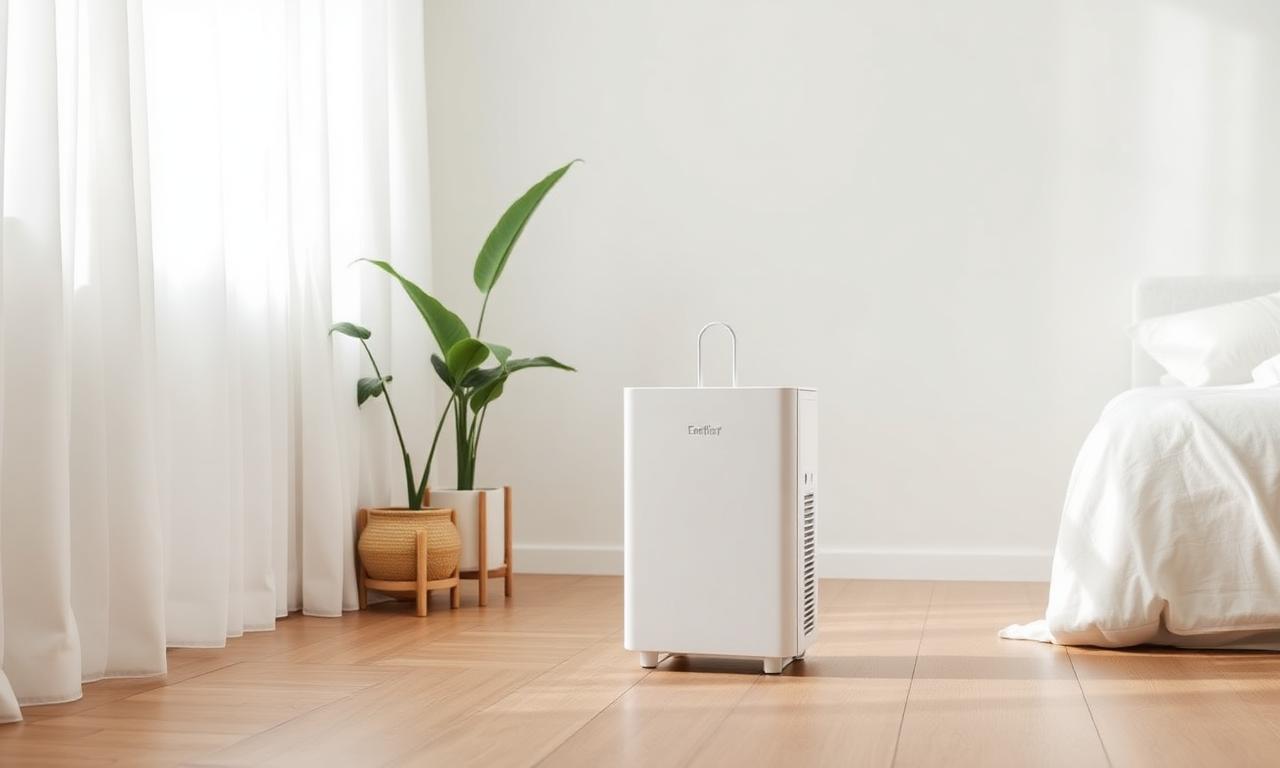
How Bedroom Air Quality Affects Sleep
Learn how ventilation, allergens and humidity affect the bedroom environment and what changes are worth trying first.
Read Guide
How to Build a Better Wind-Down Routine
Build a simple, realistic evening routine that reduces stimulation and supports consistent sleep.
Read Guide
Morning Light and Your Circadian Rhythm
Understand how morning light and evening darkness work together to support a more consistent sleep schedule.
Read GuideSources & Research
SleepWell360 uses authoritative and peer-reviewed sources. This article is educational and is not a substitute for individual medical advice.
- 1.Sleep Medicine Reviews: Noise as a sleep aid: A systematic review
- 2.Centers for Disease Control and Prevention: Preventing Noise-Induced Hearing Loss