How to Build a Better Wind-Down Routine
A repeatable transition from daytime demands to bedtime can make healthy sleep timing easier to sustain.

- Protect a consistent wake time first; let bedtime respond to genuine sleepiness.
- Use a short sequence you can repeat, not an elaborate routine you will abandon.
- Ongoing insomnia deserves evidence-based care, not more sleep products.
Create a reliable transition
A wind-down routine is a set of cues that the active part of the day is ending. It works best when it is repeatable and paired with a reasonably consistent schedule.
Choose two or three low-effort actions: dim the lights, prepare tomorrow's essentials, take a warm shower, read something calm or practice a brief relaxation exercise.
Remove the friction that keeps you awake
Move stimulating tasks earlier where possible. Set a boundary for work, plan when to put the phone down, and avoid using alcohol as a sleep strategy. Regular daytime movement also supports sleep, although intense exercise timing is personal.
Know when routine is not enough
Difficulty sleeping can persist even with excellent habits. Cognitive behavioral therapy for insomnia is the recommended first-line treatment for chronic insomnia and is different from generic sleep-hygiene advice.
Talk with a healthcare professional if sleep trouble is frequent, lasts for months, affects daytime functioning or occurs with breathing concerns, unusual movements or major mood changes.
Continue Improving Your Sleep

Morning Light and Your Circadian Rhythm
Understand how morning light and evening darkness work together to support a more consistent sleep schedule.
Read Guide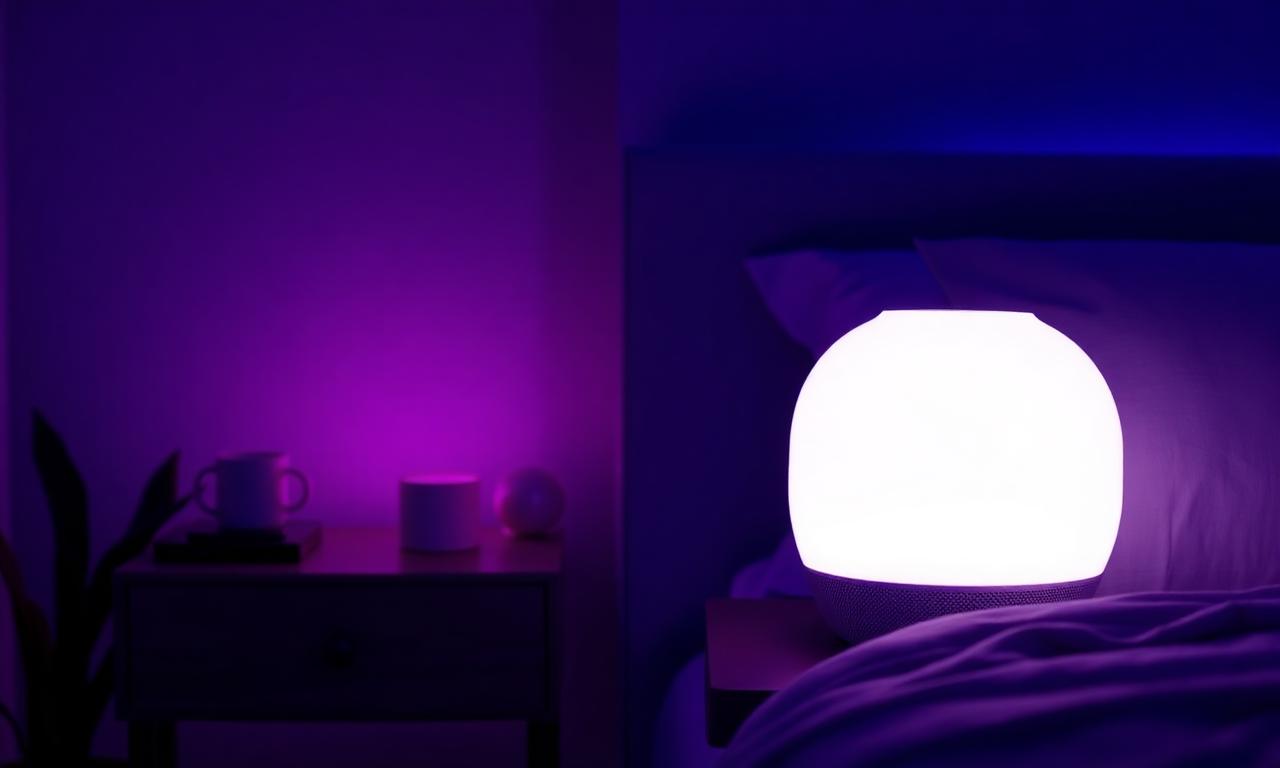
White Noise for Sleep: What the Evidence Says
A balanced guide to white noise, fan sounds and safer ways to reduce disruptive nighttime noise.
Read Guide
What Is the Best Temperature for Sleep?
Learn how bedroom and body temperature affect sleep, where to start, and how to adjust your sleep environment safely.
Read GuideSources & Research
SleepWell360 uses authoritative and peer-reviewed sources. This article is educational and is not a substitute for individual medical advice.
- 1.National Heart, Lung, and Blood Institute: Healthy Sleep Habits
- 2.American Academy of Sleep Medicine: Behavioral and psychological treatments for chronic insomnia disorder