How Bedroom Air Quality Affects Sleep
Ventilation, particles, allergens and humidity can shape overnight comfort—especially when breathing is already sensitive.
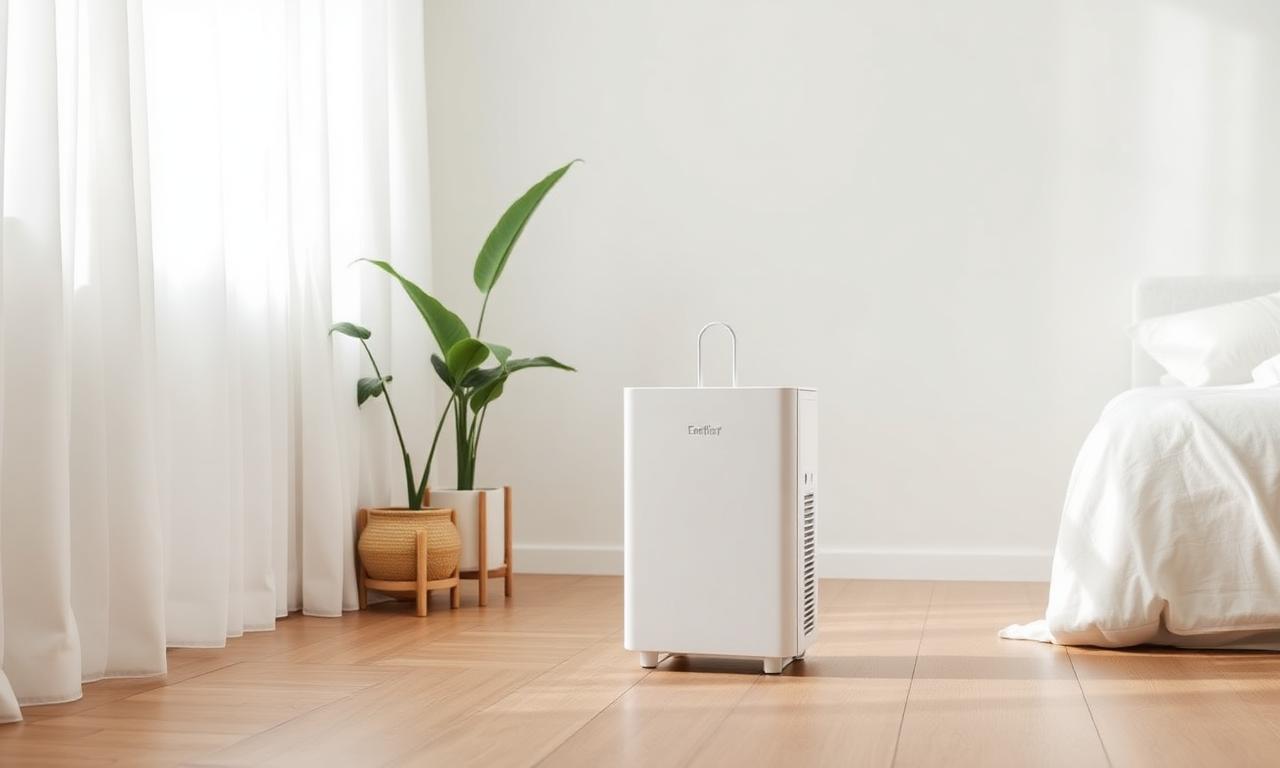
- Remove pollutant sources and improve ventilation before relying on a device.
- HEPA filtration can help reduce airborne particles; it does not replace diagnosis or treatment.
- Loud snoring, gasping or pauses in breathing require professional evaluation.
You spend hours in one room
Bedrooms accumulate carbon dioxide, particles, fragrances and allergens while doors and windows remain closed. Poor air can contribute to stuffiness or irritation, even when it is not the primary cause of poor sleep.
The most effective first step is source control: keep smoke, strong fragrances and dust-producing materials out of the sleeping space.
Ventilation and filtration solve different problems
Ventilation brings in outdoor air and can dilute indoor pollutants when outdoor conditions are suitable. Filtration removes particles from recirculated air. A portable HEPA purifier may help when outdoor air, allergies or building conditions make open windows impractical.
Keep humidity comfortable, not extreme
Very dry air may irritate the nose and throat, while high humidity can support mold and dust mites. Monitor the room before adding a humidifier or dehumidifier.
Environmental changes cannot treat sleep apnea. If breathing stops, gasping, choking or major daytime sleepiness are present, talk with a healthcare professional.
SleepWell360 Recommended Solutions
These products may help address the specific issue discussed above. Recommendations are scored independently; links may earn us a commission.
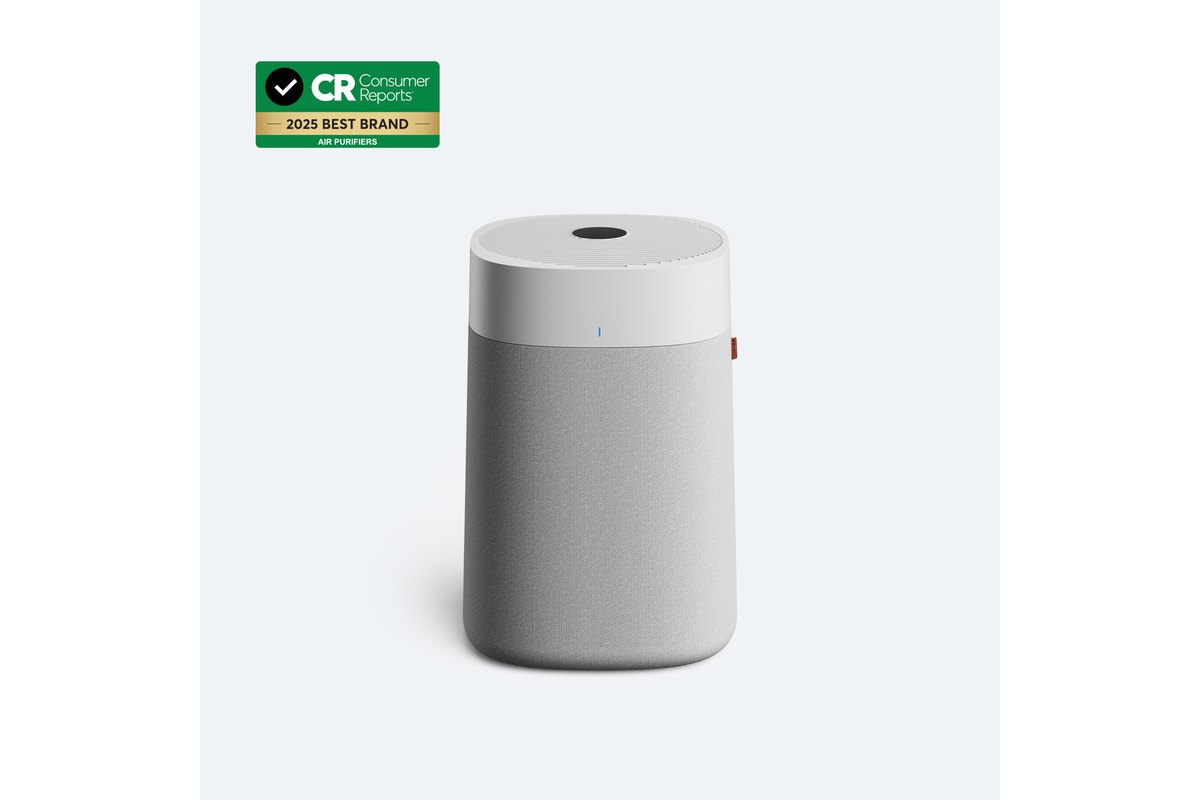
Blueair
87/100Quiet particle filtration suits bedrooms where noise matters.
Most bedrooms and allergy-sensitive sleepers.
View Product
Mila Air Purifier
86/100Sensors make changing air conditions easier to understand.
People who want automatic, visible air-quality feedback.
View Product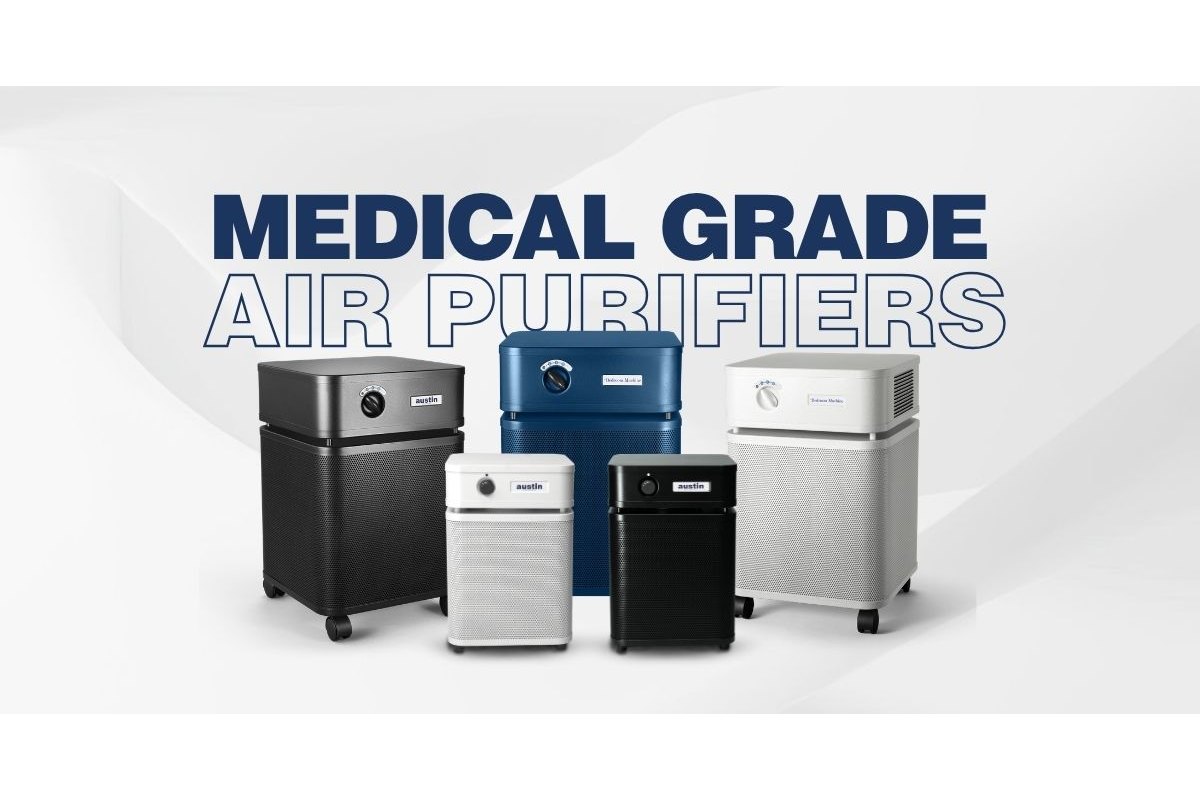
Austin Air
88/100A substantial filter system targets particles and some gases.
Smoke events and more demanding air-quality needs.
View ProductContinue Improving Your Sleep
What Is the Best Temperature for Sleep?
Learn how bedroom and body temperature affect sleep, where to start, and how to adjust your sleep environment safely.
Read Guide
White Noise for Sleep: What the Evidence Says
A balanced guide to white noise, fan sounds and safer ways to reduce disruptive nighttime noise.
Read Guide
How to Build a Better Wind-Down Routine
Build a simple, realistic evening routine that reduces stimulation and supports consistent sleep.
Read GuideSources & Research
SleepWell360 uses authoritative and peer-reviewed sources. This article is educational and is not a substitute for individual medical advice.
- 1.U.S. Environmental Protection Agency: Guide to Air Cleaners in the Home
- 2.U.S. Environmental Protection Agency: Inside Story: A Guide to Indoor Air Quality
- 3.National Heart, Lung, and Blood Institute: Sleep Apnea